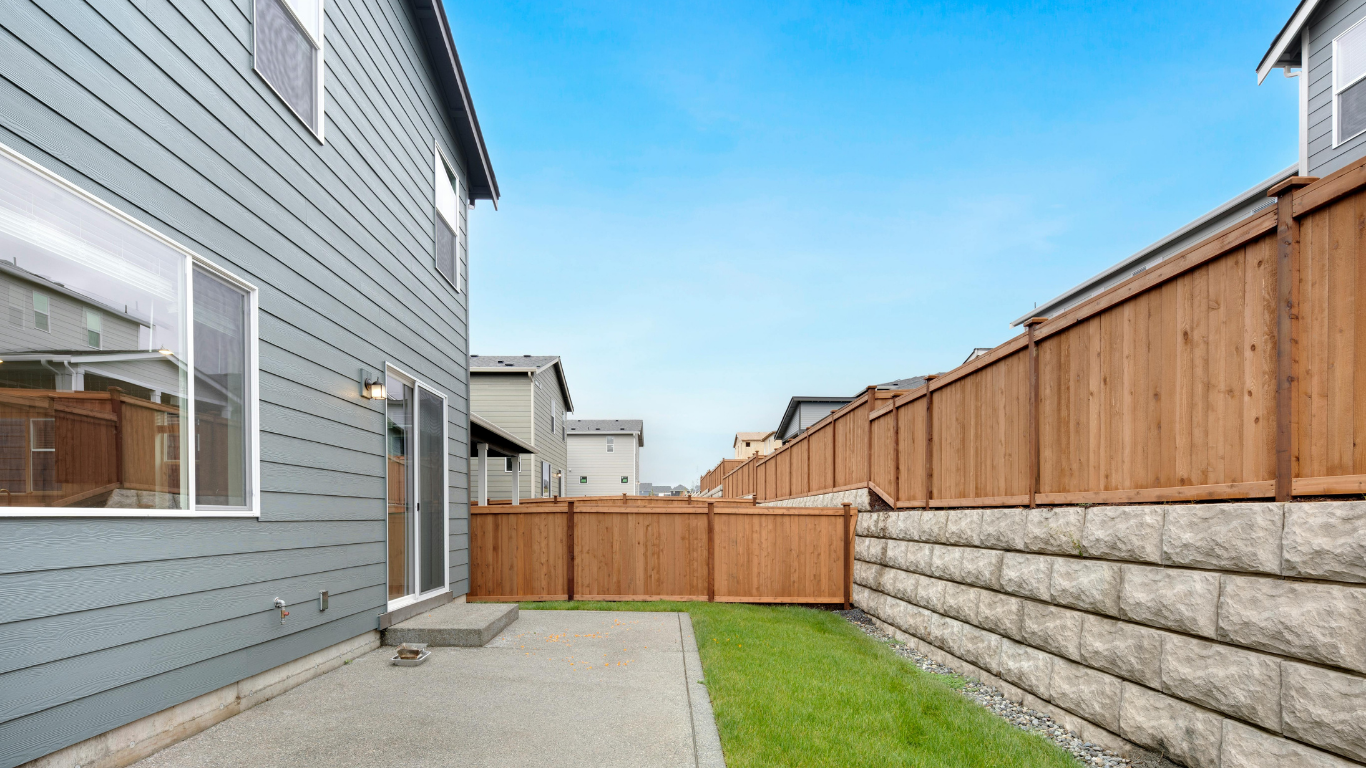
How to Choose a Fence Company in Niagara
How to Choose the Right Fence Company for a Niagara Property
A fence is a long-term part of the property. Choosing the right contractor is as important as choosing the material because layout, posts, gates, drainage and workmanship determine how the system performs.
A reliable Niagara fence company should provide clear information, inspect the site and recommend a solution based on the owner’s priorities. Use the following criteria to compare options.
Look for Relevant Local Experience
Niagara includes urban lots, rural properties, changing grades and varied exposure. Ask whether the contractor has completed projects with similar access, material and design requirements.
Local experience should appear in the questions the contractor asks about drainage, boundaries, wind, landscaping and municipal requirements.
Review Material Knowledge
A qualified company should explain the differences between wood, vinyl, chain-link, ornamental metal and other systems. The discussion should cover maintenance, privacy, repairability, lifespan and site suitability.
Be cautious when every property receives the same recommendation without regard to goals or exposure.
Ask for a Site-Specific Estimate
Accurate pricing requires fence length, height, gates, removal work, grade and access. A detailed estimate should describe materials, posts, hardware, cleanup and payment terms.
Clarify allowances and conditions that could change the price. Written scope protects both parties.
Evaluate the Post and Footing Plan
Posts are the structural foundation of the fence. Ask how depth, spacing and footing method will be selected for the fence system and property.
A contractor should be able to explain how gates and solid privacy panels receive adequate support.
Confirm Boundary and Utility Procedures
Property owners should provide reliable boundary information. Required utility locations must be completed before digging, and private services may need separate identification.
A professional company will not encourage work based on guesswork or skip required safety procedures.
Discuss Slopes and Transitions
Review how the fence will handle grade changes, retaining walls, neighbouring fences and corners. Stepped and custom approaches create different appearances and gaps.
Ask for a clear explanation before posts are set.
Review Property Protection and Cleanup
Installation involves excavation and material movement. Ask how lawns, gardens, driveways and neighbouring areas will be protected.
Confirm disposal of the old fence, handling of excavated soil and restoration around disturbed areas. Monarch Landscaping describes using ground mats and completing site cleanup as part of its fence work.
Ask About Workmanship Coverage
Understand the difference between manufacturer material coverage and the installer’s workmanship warranty. Ask what is covered, the duration and the process for reporting a concern.
All warranty details should appear in writing. Product documentation should be provided when applicable.
Consider Communication
Identify the person responsible for scheduling, site questions and changes. Reliable communication before the project is a useful indicator of how the installation will be managed.
Ask how delays, weather and unexpected site conditions will be communicated.
Check Completed Work and Reviews
Photographs can demonstrate alignment, gates, transitions and finish quality. Reviews reveal punctuality, cleanup and responsiveness.
Focus on examples similar to your project rather than only dramatic showcase properties.
Compare Long-Term Value
Price matters, but the cheapest quote may omit robust posts, quality hardware, removal or restoration. Compare complete scope and expected ownership costs.
A properly planned fence can reduce repair needs and provide more consistent privacy, security and curb appeal.
Questions to Ask Each Contractor
- What material and style do you recommend for this property, and why?
- How will you confirm the layout and gate locations?
- What posts, footings and hardware are included?
- How will grade changes be handled?
- Who completes the work and supervises the site?
- What protection, cleanup and restoration are included?
- What warranties apply?
- What is the expected schedule?
Match the Plan to the Property and Searcher’s Goal
Someone researching choosing a fence company is usually trying to make a practical decision, not simply learn a definition. Start by clarifying the outcome: select a contractor with relevant experience, clear communication and a complete plan. That goal should guide the recommended scope, materials or service level instead of forcing the property into a standard package.
A site-specific review should consider completed work, materials, footings, slopes, protection, insurance and warranties. These conditions affect performance, cost and future problems. Photographs and general pricing can help with early planning, but they cannot replace an assessment of the actual property and how it is used.
How to Compare Quotes and Service Proposals
Ask each provider to describe layout, materials, posts, gates, protection, disposal, schedule and payment. A useful proposal makes responsibilities visible so owners compare the same work rather than totals built from different assumptions. It should also explain how unexpected conditions or requested changes will be approved.
Price matters, but long-term value also depends on planning, suitable materials or equipment, workmanship and communication. A lower figure can become more expensive when important tasks are excluded or the plan does not fit the site.
Questions to Resolve Before Work Begins
Confirm priorities, access requirements, the decision-maker and communication method before the start date. Ask what the owner must provide, what can affect scheduling and how concerns will be documented. Clear answers reduce uncertainty for the contractor, occupants and neighbours.
Keep the approved scope, estimates, product information and service records together. Good documentation makes it easier to review completed work, maintain the finished system and address future repairs, changes or weather-related needs.
Common Planning Mistakes to Avoid
One common mistake is accepting a vague low quote that cannot be compared line by line. Another is waiting until the project or season becomes urgent, reducing the time available to compare options and correct unclear details. Good planning considers the complete operating life of the solution, not only installation or the first visit.
Owners should not assume every property requires the same approach. A strong recommendation connects proposed work to observed conditions and explains why the solution is appropriate. That explanation helps distinguish a site-specific plan from a generic quote.
How to Prepare for an Efficient Project or Service Start
Before work begins, remove movable obstacles where requested, identify access limitations and tell the provider about known underground features, private services, sensitive surfaces or operational restrictions. Confirm how pets, tenants, customers, deliveries and neighbouring areas will be managed.
Review the final plan on site when practical. A short pre-start conversation can confirm layout, priorities, staging, storage and protection details that are difficult to understand from a written estimate alone. It also gives both parties a shared reference for the finished result.
After completion or each major service period, review the property and document concerns promptly. Ask for maintenance, inspection or follow-up guidance that applies to the chosen solution. Proactive review helps owners protect the investment and identify small issues before they become larger, more disruptive problems.
How many fence quotes should I obtain?
Enough to compare scope and communication confidently. Two or three detailed quotes are often more useful than many vague prices.
Should a contractor provide insurance information?
Ask for current proof appropriate to the work and verify it when necessary.
Can fence installation start before utility locations are complete?
No excavation should begin until required clearance procedures are completed.
Is a deposit normal?
Deposits are common, but payment terms should be clear, written and proportionate to the project.
Choose Clarity and Craftsmanship
The best contractor can explain the work before it begins. Monarch Landscaping installs wood, vinyl, privacy, chain-link and custom fences across Niagara, combining site-specific planning with efficient installation and property-conscious workmanship.