Standard or Premium Sod Installation in Hamilton: Which Preparation Does Your Lawn Need?
This is a subtitle for your Standard or Premium Sod Installation in Hamilton
Which Preparation Does Your Lawn Need?
When homeowners ask us about sod installation in Hamilton, the first decision is rarely the type of roll. It is how much work the existing lawn and soil need before new sod goes down. A yard with sound soil and a tired surface may suit a lighter renovation. A lawn with pervasive weeds, poor drainage, uneven grade or weak soil may need old material removed and the growing surface rebuilt. We offer standard and premium installation options because those situations should not receive the same preparation by default.
Our goal is to recommend work that fits the property, then make clear what happens before, during and after the installation. A freshly laid lawn can look good immediately while important differences remain hidden below it. This guide explains the distinction between our published options, the signs we look for and the questions to ask before approving a plan. An on-site assessment determines the final scope.
What sod installation includes beyond laying rolls
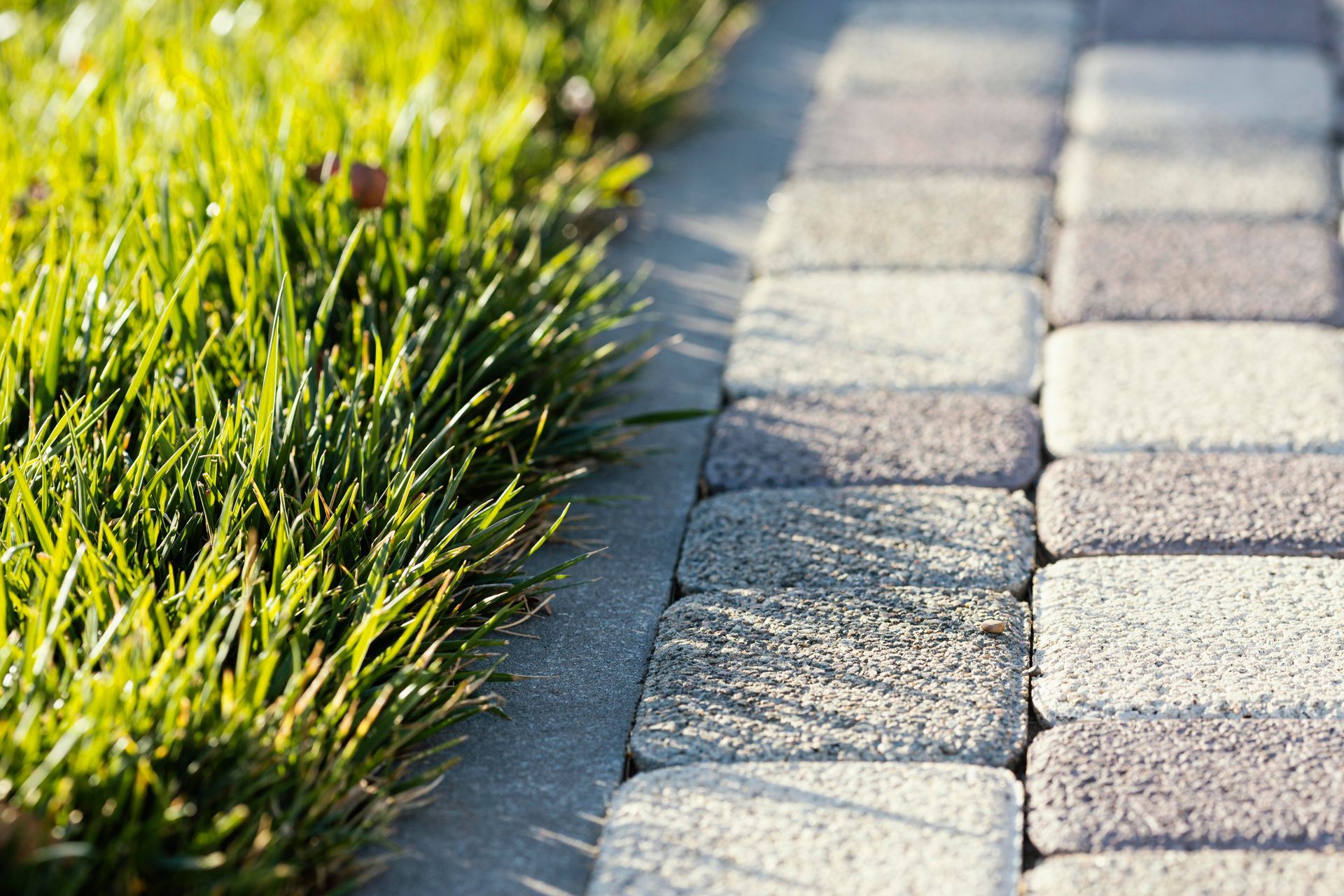
Sod installation is the process of preparing a growing surface, fitting fresh turf closely to it and helping the roots establish in the soil. The roll brings an existing layer of grass, which gives the lawn an immediate green appearance. It does not eliminate the need to correct soil or grade problems. The underside must meet the prepared base consistently; dry pockets, buried debris and uneven elevations can undermine establishment.
We also consider how water moves across the property, how people reach the work area and where the finished lawn meets a patio, walkway or planting bed. We then install the sod with close, staggered seams, seat it against the soil and begin watering. Aftercare matters because the roots still need time to attach. If a proposal starts and ends with “supply sod,” ask what happens to everything underneath and afterward.
When our standard option may fit
Our standard sod installation option is intended for a lawn with a reasonably sound existing soil base and limited weeds. Our published process includes rototilling or loosening the existing lawn, breaking up old material, grading, laying fresh sod, a light roller pass and basic aftercare instructions. The purpose is to refresh a site without automatically assuming that its entire growing layer needs removal.
We still inspect it. “Standard” does not mean simply placing intact sod over old grass, ignoring low areas or assuming the soil is healthy. If a patch of ground is severely compacted or a water issue emerges, we discuss whether that part of the site needs a different treatment. The option is most appropriate when the underlying conditions genuinely support a lighter scope.
When premium preparation may be justified
Our premium option is designed for a more substantial reset. The published scope includes removing an upper layer of the old lawn, disposing of that material, adding nutrient-rich topsoil, professionally grading the yard and laying fresh sod. We use a roller to improve contact and provide aftercare guidance. It is suited to yards with more extensive weeds, poor soil, drainage concerns or uneven surfaces where a basic refresh would leave the underlying problem in place.
Premium preparation is not a magic fix for every drainage or shade issue. If water enters the property from another source or the site has a serious grading problem, that may require separate work. Likewise, no amount of fresh soil turns deep shade into full sun. We explain which condition the recommended preparation addresses, and we want the finished elevation to work with existing features. Removing old material can be useful, but it should be part of a site-specific plan rather than an upsell by default.
How we decide which scope to propose
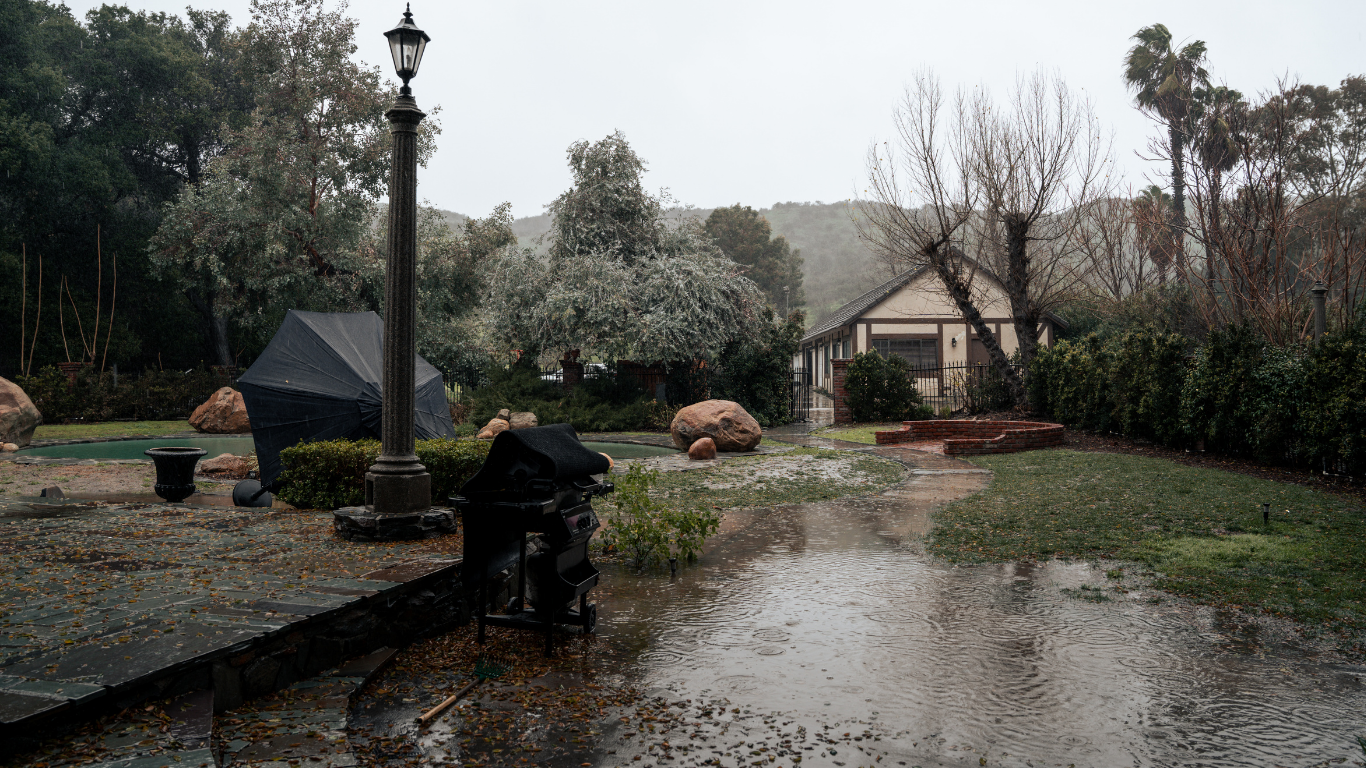
We ask how the current lawn has performed through rain, heat and use. We look for recurring bare patches, pooling water, weeds, thin soil, ruts and hard ground. We consider sunlight, tree roots, slope and access for soil delivery or removal. A front yard with an even, workable base may need different preparation from a back yard that has collected construction debris and water for years.
The homeowner’s goal matters too. Are you refreshing a lawn for normal use, creating a safe play area or preparing a property after major landscaping? Do you have a dog that uses one route intensely? Can you water the sod consistently during its first weeks? These questions do not automatically change the installation option, but they shape the recommendation and the aftercare plan. We can explain the trade-offs in plain terms during a site visit.
Where the watering plan fits
Our premium plus watering plan adds scheduled watering visits, moisture checks and adjustments according to the weather and the lawn’s condition. It can help when a homeowner is travelling or cannot reliably manage the new sod during establishment. The precise arrangement should be confirmed in the proposal. Even with a service, we ask homeowners to tell us about sprinkler coverage, shaded zones, dry edges and access to water.
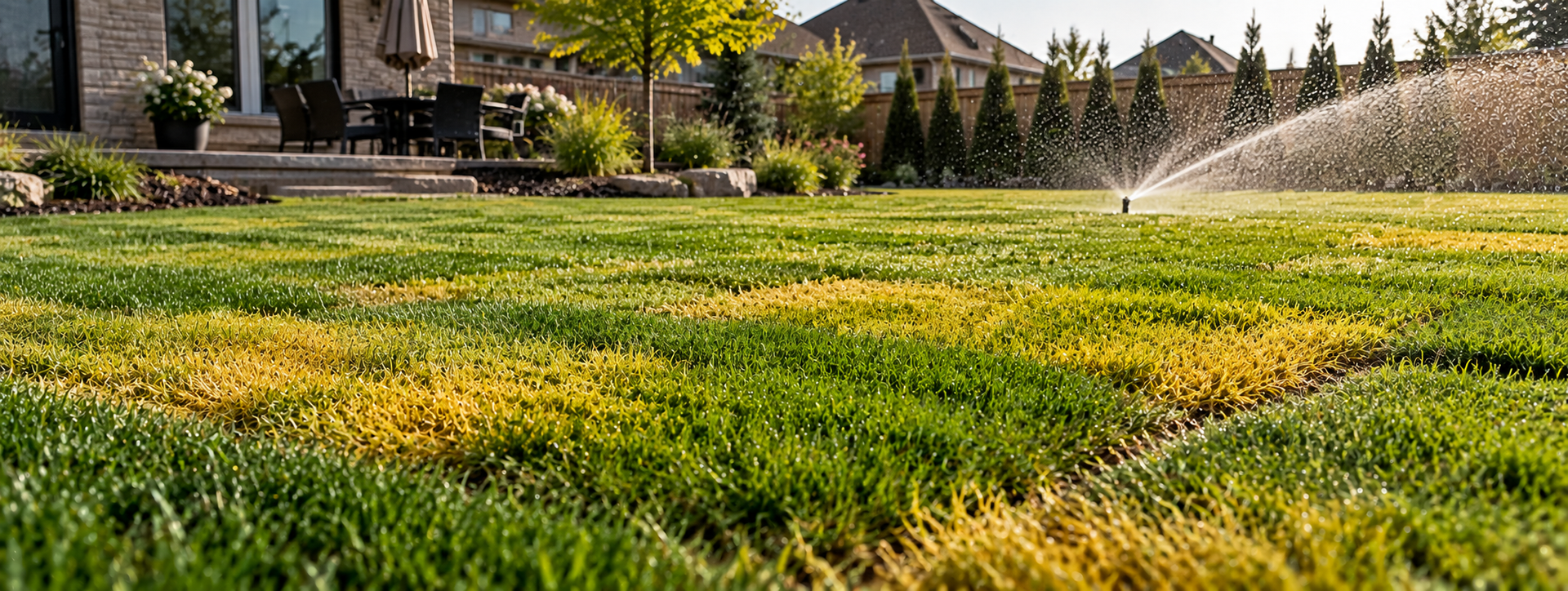
New sod needs moisture at the roots, not merely wet leaves. A fixed number of minutes cannot account for every sprinkler, soil or rainy day. Check several areas and follow the care guidance for your yard. An exposed strip beside pavement may dry faster than a sheltered area. A persistent puddle may indicate that watering or grade needs attention. Our sod watering service explains the ongoing support available after installation.
A realistic installation sequence
After we assess the yard and agree on the scope, we plan any old-lawn work, soil delivery, grade adjustments and sod delivery. The base should be ready so fresh turf can be installed promptly. We lay the rolls with fitted edges and staggered seams, seat them against the prepared soil and start the watering process. We also explain what to watch in the first weeks and when routine use or mowing can return.
The sequence can vary with size, access and weather. We will not promise that every Hamilton yard has identical soil or can be finished in the same number of hours. If a site has a difficult gate, steep access or a drainage concern, we address that in the plan. A good installation is an organized chain of decisions, not a single moment when the green sod arrives.
How to compare the options in your quote
Ask what will happen to the old grass, how much material will be removed, what soil is included, and how the finished grade will meet the driveway or patio. Confirm disposal, the sod product, initial watering, care instructions and any ongoing service. If the proposal recommends premium preparation, ask which conditions make it worthwhile. If it recommends standard preparation, ask why the existing base is sound enough for it.
We want the scope to be clear before work starts. Two quotes with different preparation cannot fairly be compared by price alone. A lighter job can be the right answer for a healthy base, while a more involved job may prevent another cycle of lawn failure. The site assessment connects the choice to the actual conditions.
Is premium sod a different grass from standard sod?
The key distinction in our published options is the preparation scope, including removal, soil and grading. Ask us to confirm the proposed sod product and the exact work in your quote.
Does standard installation mean laying sod over intact grass?
No. Our standard process includes loosening the existing lawn and preparing the surface. We assess whether the base is appropriate; simply covering intact grass is not the goal.
Will premium installation fix every wet spot?
It can address some surface and soil issues, but persistent or complex drainage problems require assessment. We explain what the proposed grading can and cannot resolve.
Can we add watering help after installation?
Ask us about availability and the scope of our watering service. It is best to plan care before installation so the lawn receives consistent attention from the beginning.
A new Hamilton lawn should start with the preparation the site actually needs. Contact Monarch Landscaping for a sod assessment and a clear discussion of standard, premium and watering options. We will explain the work beneath the grass as carefully as the finished lawn you will see.