Common Fence Problems in Hamilton and When to Call for Repairs
A damaged fence rarely fails all at once. Most problems begin with a loose board, shifting post, sticking gate or small area of rot. Hamilton’s freeze-thaw cycles, wet weather, wind and changing soil conditions can turn those minor defects into larger structural issues when they are left unattended.
If you are searching for fence repair in Hamilton, you likely want to know whether the problem is urgent, whether it can be fixed and whether repairing the existing fence is worth the cost. The answer depends on the cause of the damage, the condition of the surrounding components and how well the fence still serves your property.
When Does a Damaged Fence Need Professional Attention?
Call a fence contractor when a section is unstable, a post moves at ground level, a gate no longer closes securely, sharp or broken components create a hazard, or damage affects privacy, pets or property security. Prompt assessment is also important after a vehicle impact, fallen branch or major wind event because the visible damage may not show what happened below grade.
A cosmetic issue such as light weathering is usually less urgent. Structural movement is different. Posts, footings, rails and gate supports work together, so one failing component can place additional stress on the rest of the fence.
Leaning or Loose Fence Posts
A leaning fence section often points to a post or footing problem. The post may have rotted near the soil line, the concrete footing may have shifted, or saturated soil and frost movement may have reduced support. Impact and wind can also loosen a post without immediately breaking the surrounding panels.
Do not rely on a temporary brace as a permanent solution. A contractor should determine whether the post can be reset, whether it needs replacement and whether the footing or drainage conditions contributed to the failure. If several posts lean in the same direction, the problem may be broader than one isolated repair.
Wood Rot Near the Ground
Wood is most vulnerable where moisture remains trapped around posts, bottom boards and lower fence components. Signs of deterioration include softness, crumbling fibres, dark staining, fungal growth and fasteners that no longer hold securely.
One rotten board or post may be replaceable when the rest of the fence remains healthy. Widespread rot usually indicates that the fence is approaching the end of its useful life or that drainage, soil contact and maintenance conditions need to be corrected. Replacing damaged wood without addressing constant moisture may only delay the same problem.
Loose, Warped or Missing Fence Boards
Wind, dried lumber, seasonal movement and corroded fasteners can loosen wood boards. Warped boards may pull away from rails or create gaps that reduce privacy. Missing boards also expose neighbouring components to more wind pressure.
A selective repair can work well when the rails and posts are still sound. Replacement boards should match the existing dimensions, and exterior-rated fasteners should be used. The supporting rail should be inspected before new material is attached; fastening a new board to a weakened rail does not restore the panel’s strength.
Sagging or Misaligned Gates
Gates receive more movement than stationary fence panels. Sagging can result from worn hinges, inadequate bracing, a distorted frame or a moving support post. A gate that drags, will not latch or must be forced closed should be inspected before the frame and hardware sustain additional damage.
Minor alignment or hardware problems may be corrected with adjustment or replacement parts. When the support post moves, the repair must address the post and footing. Simply relocating the latch may make the gate close temporarily without correcting the structural cause.
Rust and Corrosion on Metal or Chain-Link Fencing
Chain-link and ornamental metal fences should be inspected around connections, cut ends, posts, rails and hardware. Moisture and winter salt exposure can accelerate corrosion. Light surface rust may be manageable, but deep corrosion, perforation or weakened structural components generally requires replacement.
Use components and coatings that are compatible with the existing system. Mixed metals and unsuitable fasteners can contribute to premature corrosion. Gates deserve particular attention because hinges and latches can fail before the surrounding fence.
Cracked or Damaged Vinyl Components
Vinyl fencing does not rot, but panels, rails and caps can crack after impact or severe stress. Damage may also occur when a panel has insufficient room for seasonal movement or is forced into a misaligned opening.
Cracked structural pieces usually need replacement because patching may not restore their performance. Before proceeding, confirm that matching components remain available and inspect the adjacent posts and rails. Replacing the visible piece without correcting alignment can cause the new component to fail.
Gaps Under the Fence
Openings can develop because of erosion, animal activity, drainage patterns or changes in grade. These gaps can affect privacy and allow pets to leave the yard. Filling them with loose soil may provide only a temporary result if water continues to wash the area away.
Depending on the cause, the solution may involve grading, drainage improvements, a bottom board, selective reconstruction or a landscaping adjustment. The repair should maintain safe clearances and avoid directing water toward neighbouring properties or fence footings.
Storm, Branch and Impact Damage
Wind, falling branches and vehicles can damage posts and connections beyond the obvious broken panel. Keep people and pets away from unstable sections and avoid pulling or climbing on the fence. Photograph the damage and inspect neighbouring panels for movement.
Emergency stabilization may be needed before permanent work begins. A professional assessment can identify which components remain reusable and whether the original layout, footing or material should be changed during reconstruction.
Fence Repair or Replacement: Which Makes More Sense?
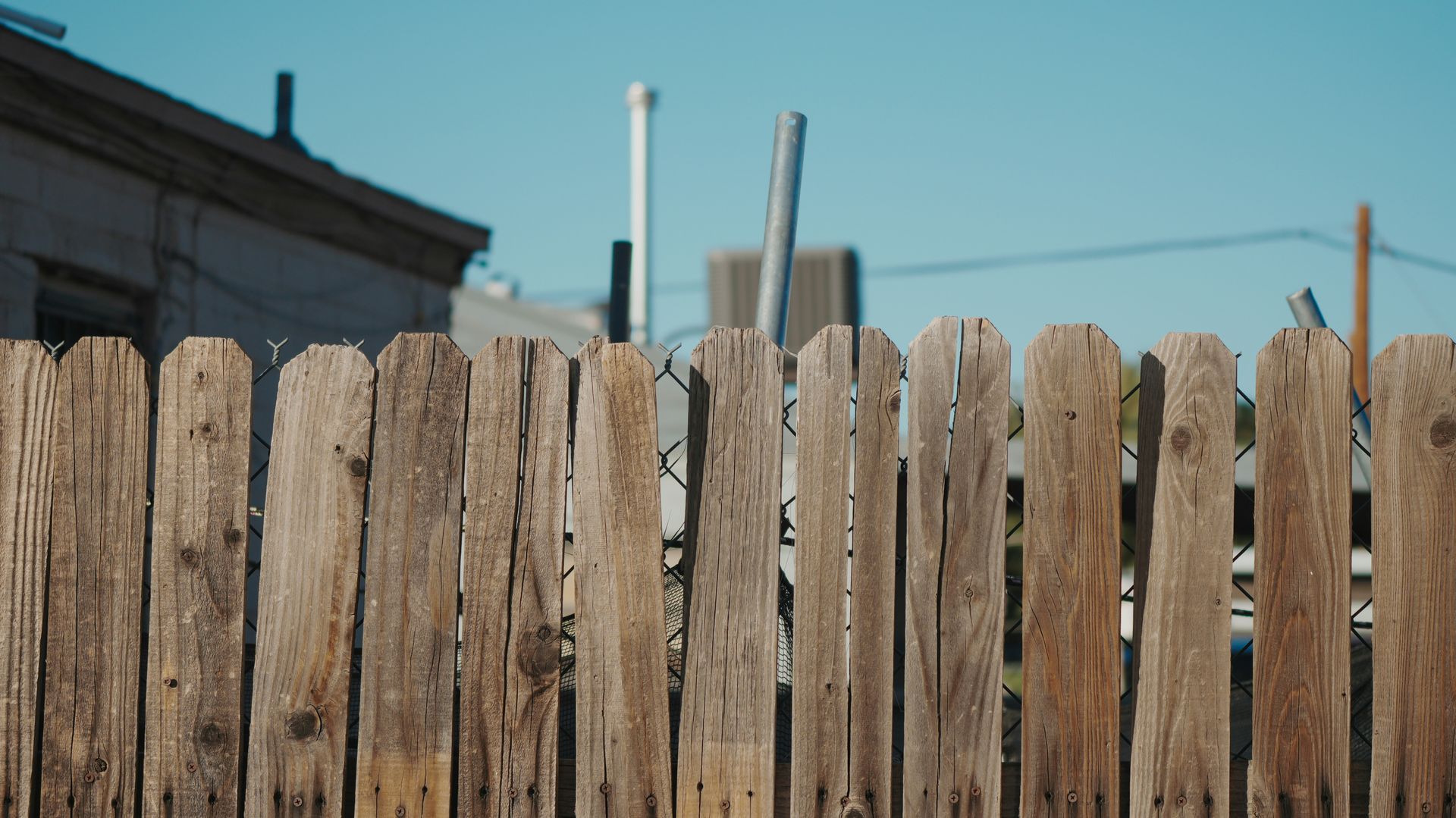
Repair is usually the practical choice when damage is isolated, matching materials are available and most posts, rails and panels remain structurally sound. Replacing one post, several boards, a gate or a short section can restore performance without rebuilding the entire boundary.
Replacement may offer better value when multiple posts are failing, rot or corrosion is widespread, the fence has a repeated repair history, or matching manufactured parts are unavailable. It may also be appropriate when the existing fence no longer provides the privacy, security, access or appearance the property requires.
The decision should consider more than today’s invoice. Compare the expected life of the repaired section with the condition of the remaining fence. Our guide to Hamilton fence repair versus replacement explains the decision in more detail.
What Affects the Cost of Fence Repair in Hamilton?
Repair pricing depends on the material, number of affected components, accessibility and the cause of the damage. Replacing a loose board is different from removing a failed concrete footing or rebuilding a gate opening.
Extent of the damage
Localized work generally costs less than rebuilding several connected sections. Hidden deterioration discovered after disassembly can expand the required scope.
Fence material and matching parts
Standard wood components may be easier to match than older vinyl, composite or ornamental systems. Custom sizes, colours and discontinued products can affect availability.
Posts and footing work
Post replacement involves excavation, removal of the old footing, safe handling around utilities and correct installation of the new support. Soil, roots and access influence the work.
Gates and hardware
Gate repairs may require hinges, latches, frame correction and support-post work. Wide, heavy or custom gates need more substantial support.
Removal, cleanup and access
Limited side-yard access, established gardens, hardscaping and disposal requirements can affect labour. A clear estimate should identify the included repair, materials and cleanup.
How to Inspect Your Fence Safely
Walk both sides of the fence where you have permission to access them. Look along the top line for leaning or sagging, check for broken boards and visible corrosion, and operate gates normally. Observe posts without applying enough force to destabilize them.
Pay attention to water pooling, soil erosion, mulch piled against wood, heavy vegetation and damaged hardware. After a major storm, compare photographs with earlier conditions. Do not climb an unstable fence, dig around posts or disturb utility markings.
An annual inspection is helpful, but seasonal checks are better for older fences. Spring can reveal frost movement and winter damage, while fall is a good time to correct loose components before snow and wind place more stress on them.
How to Reduce Future Fence Damage
Keep soil and mulch away from lower wood components, trim vegetation to improve airflow and correct drainage that keeps the fence line wet. Clean and finish wood according to the product manufacturer’s guidance. Metal and vinyl systems benefit from periodic cleaning and hardware checks.
Keep gate openings clear and address dragging or latching problems promptly. Avoid attaching heavy objects to fence panels unless the system was designed for them. When landscaping or grading changes are planned, consider how water, roots and soil levels may affect posts.
Can one leaning fence post be repaired?
Often, yes. If the neighbouring rails and panels remain sound, the failed post and footing may be removed and replaced. The contractor should also determine why the post moved so the same issue does not immediately return.
How do I know whether a wood fence is rotten?
Common signs include softness, crumbling fibres, dark staining and fasteners that pull out easily. Damage near the soil line can be more extensive than it appears from above ground, so uncertain posts should be professionally assessed.
Can a repaired section match an older fence?
Contractors can often match dimensions and style, but colour differences may remain because new wood, vinyl or coatings have not weathered. Availability depends on the age and manufacturer of the original system.
Is it better to repair or replace a storm-damaged fence?
Repair may be suitable when damage is limited and the remaining fence is stable. Replacement is more practical when several posts or connected sections failed, the fence was already deteriorated, or rebuilding would leave an unreliable system.
How quickly should a broken fence be repaired?
Arrange prompt service when the damage creates instability, sharp edges, unsecured access or risks for children and pets. Cosmetic damage can usually wait for a scheduled assessment, but it should still be monitored for movement.
Arrange Fence Repairs Before the Damage Spreads
Fence problems rarely correct themselves. Monarch Landscaping repairs and replaces wood, vinyl, chain-link and other fencing for Hamilton properties. A site-specific assessment can identify the cause of the damage, explain the available options and help you choose between a focused repair and a longer-term replacement.