Will Sod Grow in a Shady Cambridge Yard?
A shaded lawn can look like an easy candidate for fresh sod. The bare soil disappears under green rolls, and the yard feels complete again. The harder question is whether the new grass will receive enough light and suitable growing conditions to stay healthy. We do not want to sell a Cambridge homeowner a day-one transformation that is likely to thin in the same place as the previous lawn. Before recommending sod installation, we look at the pattern of shade, competing roots, moisture and how the space is used.
Shade is not one condition.
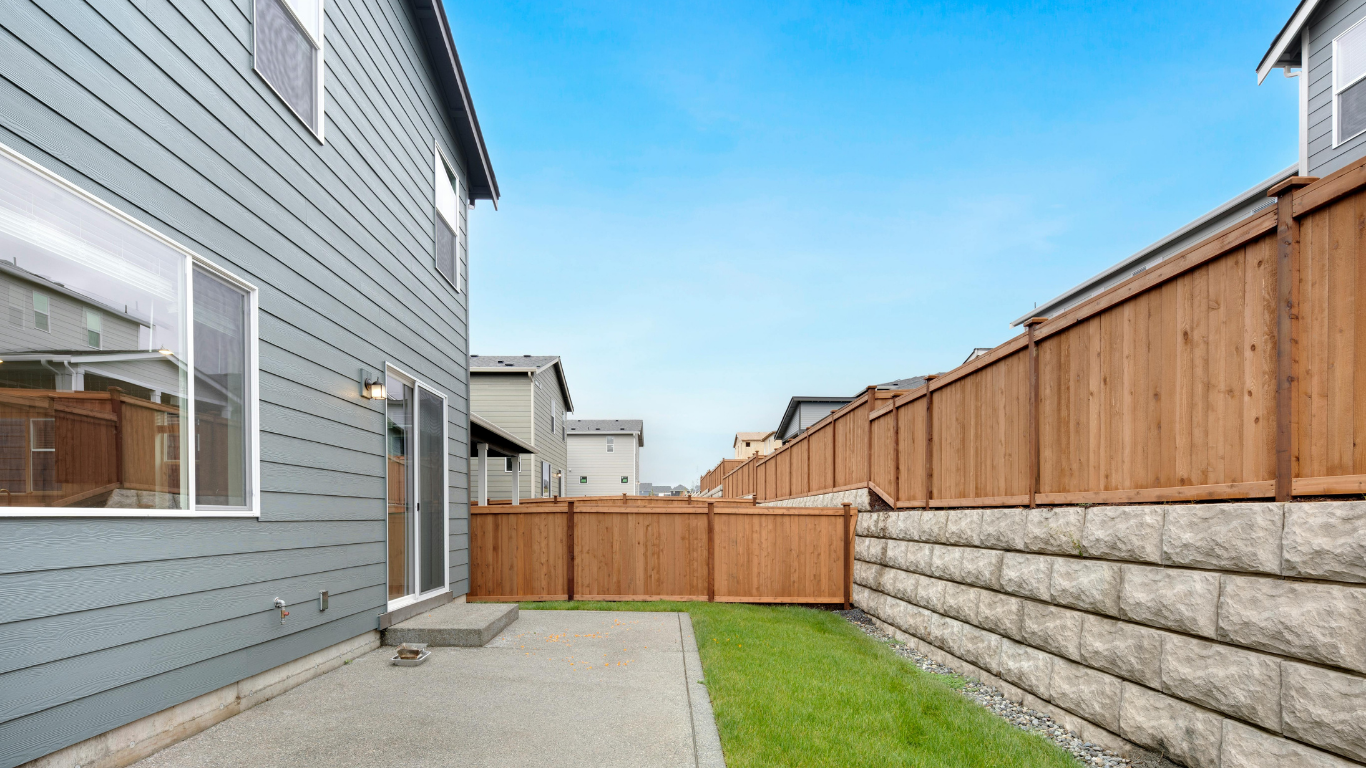
Morning sun with afternoon shade differs from a narrow strip between buildings, and an open tree canopy differs from deep shade beneath evergreens. A lawn can also struggle because the soil under a tree is dry despite nearby shaded ground remaining wet. The right plan comes from observing the actual yard over the day and season. Sometimes sod is suitable with realistic expectations; sometimes another surface or planting strategy serves the space better.
Measure useful daylight, not the word “shady”
Start by noting when direct sunlight reaches the area. Check in the morning, at midday and in late afternoon, and remember that tree leaves change the light through the year. A photo from one hour on a bright day does not show the whole pattern. Tell us whether buildings, fences or mature trees cause the shade. A lawn that gets several useful hours of sun may behave differently from an area that remains dim throughout the growing season.
We avoid promising that one turf variety will thrive in deep shade. Monarch commonly describes Kentucky bluegrass sod on our service pages; that does not mean it is the right answer for every dark corner. The available sod product, the amount of light and the intended use should all be discussed before installation. A site assessment may lead to a different turf selection where available or to a non-lawn solution for the most difficult section.
Tree roots create more than shade
A mature tree competes with turf for water and nutrients. Its roots may occupy the top layer where sod needs to establish, and the ground can be dry even though it feels cool and shaded. Heavy leaf litter can cover grass during parts of the year. Some trees also have low branches that further reduce light and make mowing awkward. We look at those combined pressures rather than attributing every thin patch to shade alone.
We are careful around roots and the tree’s base. Adding a thick layer of soil over roots or burying the root flare is not an automatic fix for grass. Aggressive excavation can damage the tree. Sometimes a wider mulch or planting area beneath the canopy is more sensible than trying to push sod to the trunk. If a turf area is still desired, we discuss where it has enough light and soil to be practical.

Check whether the soil is dry or wet
Shaded soil can be surprisingly dry under a tree canopy because leaves intercept rain and roots use the available moisture. In a low, enclosed part of the yard, it can be persistently wet because evaporation is slow. These opposite conditions require different responses. We inspect the soil and ask where water goes after a storm, whether a sprinkler reaches the area and how long it remains damp.
A new roll of sod needs moisture to attach, but standing water and poor soil contact can undermine it. A shaded zone may need a different watering pattern from a sunny open lawn. We do not recommend soaking the entire property uniformly or following a fixed number of minutes without checking the root zone. Our sod watering service can help manage early care, but the underlying light or drainage limitations still need to be considered.
How the space is used matters
Grass in shade often grows less vigorously, so repeated foot traffic can take a larger toll. Is this the only path to the shed, the dog’s preferred route or a play area? If a narrow shaded strip will receive daily use, a walkway or other durable surface may be more reliable than new sod. If it is mainly viewed from a patio, a more delicate lawn or a planting design may be acceptable. We ask what you need the yard to do before recommending what to put on it.
Consider access and maintenance too. A mower must be able to reach the area without tearing around roots or edges. Fallen leaves should not remain matted over young turf. If a new lawn is installed, give it time to root before routine use and monitor the shaded section separately from sunny areas. One part of a yard may be ready to mow or walk on while another lags.
When sod may still be a good choice
Partial shade does not automatically rule out a lawn. If the site has enough usable light, a suitable growing layer, manageable tree competition and a realistic watering plan, sod may establish well. We prepare the soil and grade appropriately, fit the turf for close contact and explain how to care for it. We also make expectations clear: growth may be slower than in a sunny part of the property, and maintenance may need to respond to seasonal changes.
Our Cambridge sod installation service begins with assessing the property. We would rather identify a problem area before ordering rolls than cover it and hope. A homeowner can help by sharing photographs across the day and explaining where previous grass thinned. Those observations tell us whether the proposed sod has a realistic chance in the location.
When another landscape treatment is wiser
If an area receives very little light, stays waterlogged or lies among dense surface roots, we may suggest a mulched bed, shade-tolerant planting or a path. These are design choices, not a failure to achieve a lawn. They can reduce repeated turf replacement and make the rest of the yard easier to maintain. A combination often works: sod in the brighter usable area and another treatment where grass consistently struggles.
We will not recommend cutting tree roots or radically altering drainage just to make one small patch of turf appear in a photograph. Any significant tree work should be evaluated appropriately. The goal is a Cambridge yard that looks intentional and functions for its owner, even if every square foot is not grass.
Plan the project and the first weeks
Before installation, settle the boundaries of turf and planting, check the grade and identify any need for soil work. Ask which turf will be supplied and what light conditions it is suited to. Discuss who will water, how to reach the area without walking across new sod and what symptoms should prompt a call. A shaded strip next to a sunny lawn may need separate checks rather than one assumption about the whole property.
After installation, inspect the soil moisture, not just the leaf colour. Keep traffic limited while roots attach, then ease into mowing and use. If the same area thins again, revisit the light, tree and soil conditions rather than automatically installing a second roll. We want the project to answer the underlying question, not repeat the same experiment.
Is there a sod that grows in full shade?
No turf should be promised to thrive in every deeply shaded site. Suitability depends on the available product and actual light. We assess the location and discuss realistic alternatives if there is too little light.
Can I add topsoil over tree roots before laying sod?
That should not be an automatic step. Adding soil over roots or burying a tree’s base can harm the tree, and it may not solve the light problem. We consider the tree and the whole site first.
Why is the soil dry under a tree even though it is shaded?
The canopy can intercept rain and the roots compete for moisture. Check the soil rather than assuming cool shade means it is adequately watered.
Should I replace only the shady patch or the whole lawn?
It depends on where the problem occurs. Healthy turf in sunny areas may not need replacement. We may recommend sod in suitable sections and a different treatment in the deepest shade.
If you are considering sod for a Cambridge yard with shade, contact Monarch Landscaping. We can assess the light, roots, soil and intended use, then recommend a lawn plan that fits the site rather than promising green grass where it cannot reasonably establish.