Why Grading Comes Before Sod Installation on an Oakville Yard
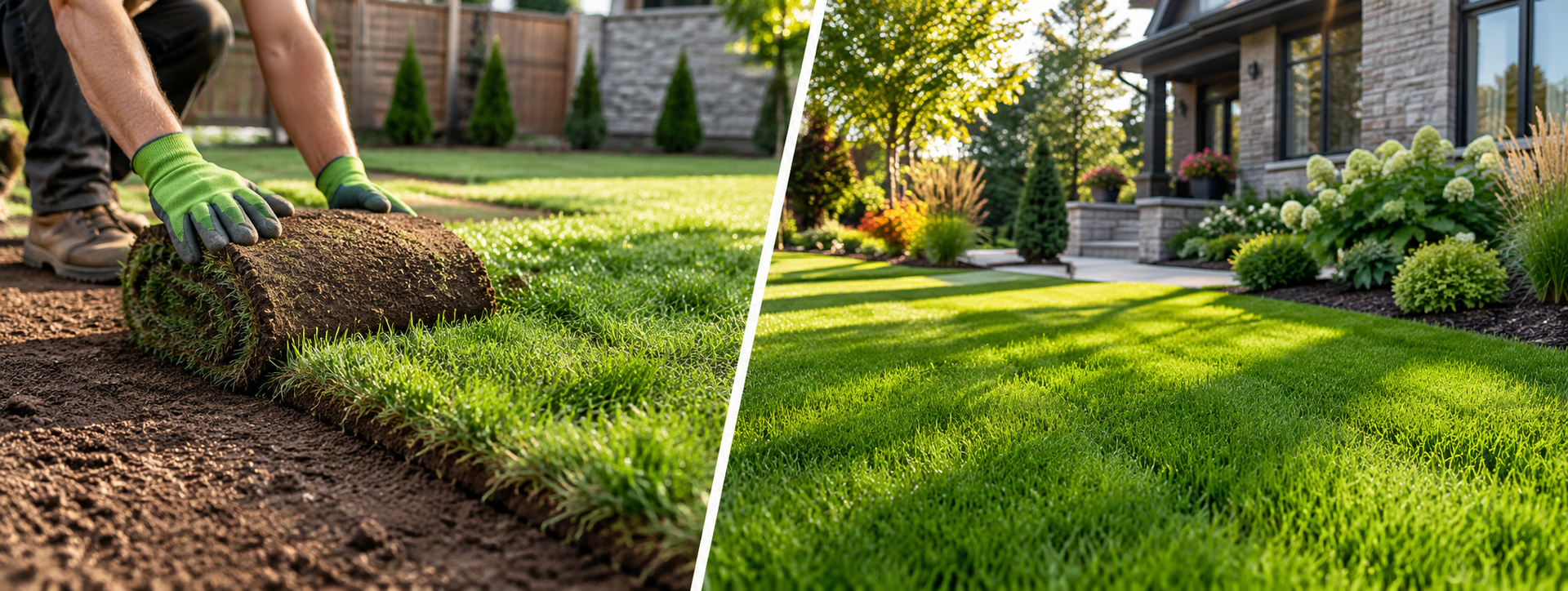
A new lawn can make an Oakville property look finished in a day, but the sod will follow the ground beneath it. If that ground has low spots, ruts or an unsuitable route for rainwater, a green surface may conceal the issue only until the next storm or mowing. We assess the grade before laying sod because the shape of the soil affects drainage, use and root contact. Installing first and trying to correct the shape afterward usually means disturbing the new turf.
Grading does not mean making every yard perfectly flat. A lawn needs a smooth, usable surface and an appropriate way for water to move. The solution depends on the home, hardscape, neighbouring grades and existing drainage. Here is what we look for, what sod can and cannot solve, and how to discuss grading in an installation plan.
The difference between smooth and flat
A smooth lawn is comfortable to walk and mow. Its surface has no abrupt holes, humps or deep equipment tracks. A flat surface, however, may retain water if it offers no useful path away from low areas. We aim for a grade that serves the property rather than a visual illusion of levelness. Sometimes a gentle, deliberate slope is exactly what prevents water from standing beside the house or at the bottom of a yard.
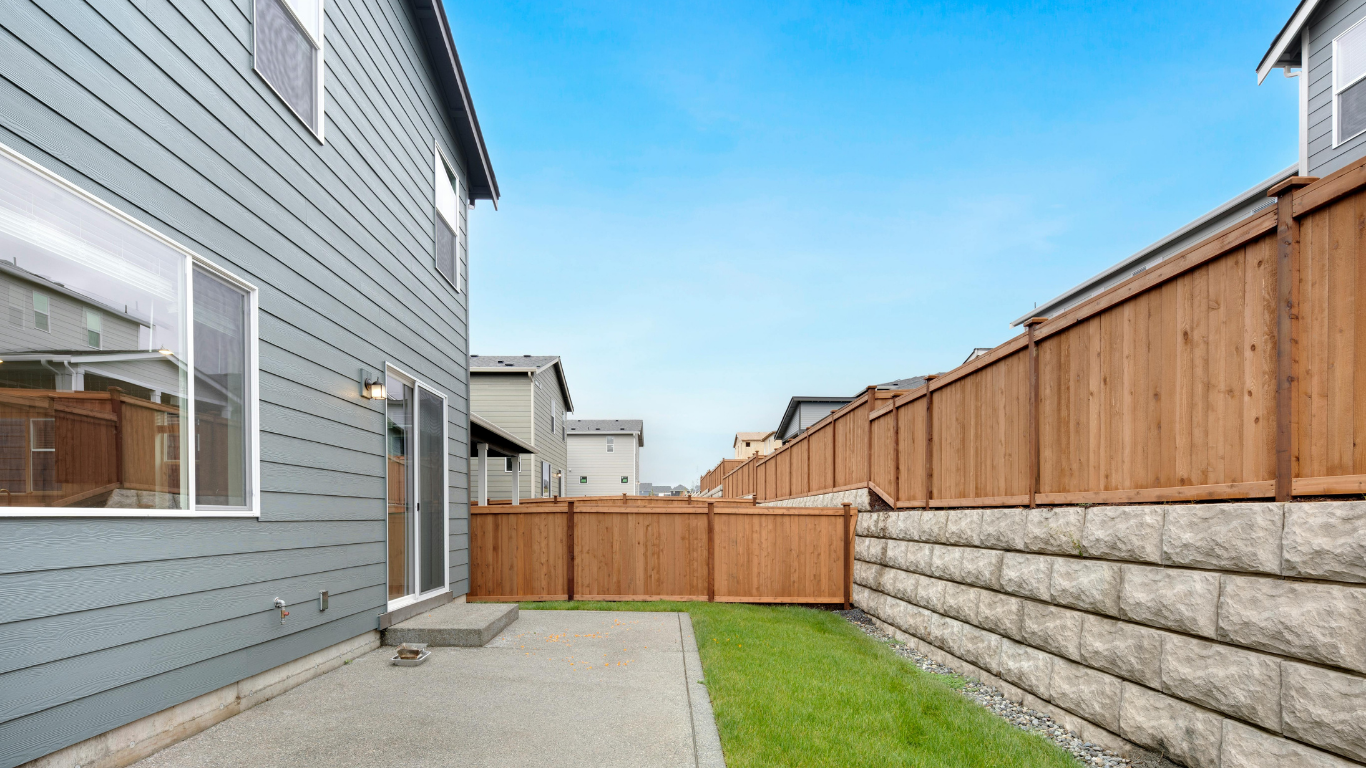
We look at existing elevations around doors, patios, sidewalks, garden beds and fences. Raising a lawn can create an awkward step to a path or put soil too close to a structure. Lowering it without understanding where the water goes can create a basin. These details matter more than an abstract desire for a billiard-table lawn. The best grade works with the whole site.
Where does rainwater go now?
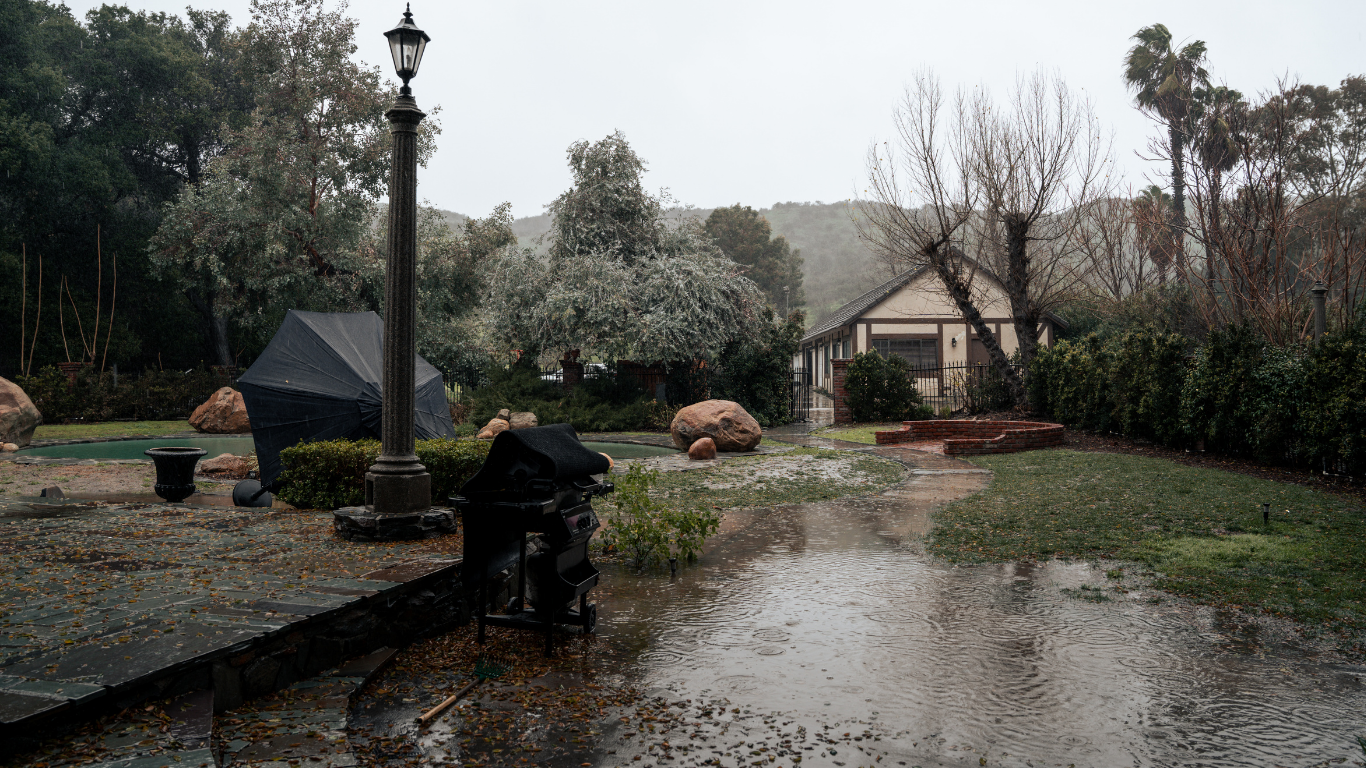
Watch the yard during a storm or soon afterward. Does water move across the lawn evenly, concentrate in a channel or remain in one spot? Is it coming from a downspout or an adjacent hard surface? Does it collect near a foundation, gate or walkway? Photographs can help us understand a problem that is not visible on a dry site visit. Tell us whether puddles disappear quickly or linger for days.
Sod is vegetation, not a drainage system. Its roots can help stabilize a suitable surface as they establish, but the rolls cannot reverse the direction of runoff or fill a deep low point. A persistent wet area may need grading, soil work or a separate drainage assessment. We avoid promising that a cosmetic lawn replacement will solve a water issue with an unknown source.

Why the soil bed must be consistent
Fresh sod needs close contact with the prepared soil. Deep footprints, rocks, clods and ruts create gaps under the rolls. Water can collect in hollows while high spots dry faster. An even, firm bed makes installation more predictable and the finished surface easier to maintain. It also helps us keep seams fitted neatly at garden edges and around hardscape.
Soil quality is part of that discussion. A badly compacted base may not accept water well, and a very thin growing layer can limit roots. Simply spreading a little material over the surface may conceal the defect while changing the finished height. We assess whether loosening, adding soil or more extensive preparation is appropriate. The grade and the growing layer have to be planned together.
Grade around existing features
An Oakville backyard may include a patio, pool surround, raised bed, mature tree, side gate or retaining edge. We pay attention to how new soil and sod meet each one. Sod at the wrong elevation can spill over a walk, trap water against a structure or make a gate harder to use. We also consider access for the crew and materials, since heavy equipment on a wet yard can leave new ruts before sod is even installed.
Tree roots and established plants deserve care. We should not bury a tree’s root flare or assume that adding soil over a root zone is harmless. Sometimes the right response is to keep a planting area rather than force turf into every corner. Where a slope is steep or a drainage issue is complex, we may need to discuss a different landscape solution instead of treating sod as the only option.
What grading work might be included?
On a relatively sound yard, preparation may involve smoothing and modest adjustment of the existing surface. On a property with widespread low spots or poor soil, a larger removal and regrading scope may be justified. We explain what we are proposing, where material will come from or go, and how the finished grade will relate to existing features. If a specific drainage system or structural issue is outside the sod scope, that should be clear before work begins.
Our Oakville sod installation service describes different preparation options. The published service page is a starting point; the yard determines the work. Ask what “grading” means in your quote, what elevations will change and whether disposal or new soil is included. A line item without that context is hard to evaluate.
Do not undo the grade during establishment
Once sod is installed, the base can be soft while watering and rooting begin. Keep heavy traffic, furniture and equipment off it. A wheelbarrow crossing the same wet route can create depressions; a concentrated sprinkler can cause runoff on an unprotected slope. Check how water moves after the first few irrigations and after rain. If a new low spot or a shifted seam appears, contact us promptly rather than tamping it down with repeated footsteps.
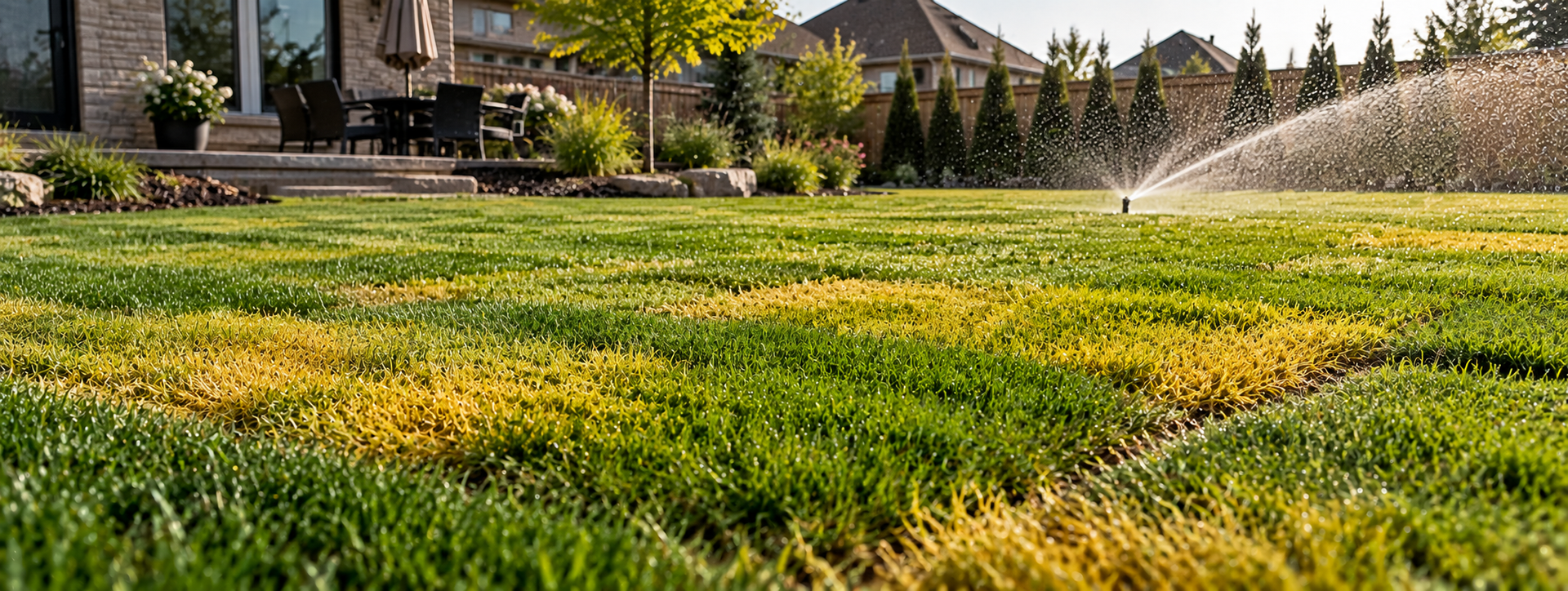
Moisture should reach the roots without leaving the area constantly saturated. Edges near pavement may dry faster than a sheltered low spot, so check more than one location. Our sod watering guidance and service can help homeowners plan the early care, but an actual drainage problem should be diagnosed on site. Watering adjustments and grade corrections address different causes.
Plan the lawn around how you will use it
A beautiful lawn still has to function. Tell us where children play, where a dog runs and which route you use to reach a shed. A low, wet shortcut may become a muddy track even after sod establishes. A narrow strip beside a driveway may need different attention from an open play area. We can use those details to prioritize a surface that is practical to walk and mow, with water moving appropriately.
If you are renovating the whole yard, coordinate sod installation with patios, retaining work and other grade-changing projects. Doing turf first and excavating later can disturb the finished lawn. We prefer to decide the final elevations with the larger landscape plan in mind. The most durable result is often the one in which every surface meets its neighbour intentionally.
Does a yard have to be perfectly flat for sod installation?
No. It should be smooth enough for use and have an appropriate drainage pattern. A gentle grade may be desirable; the correct shape is site-specific.
Can new sod fix puddles on its own?
No. Sod covers soil but does not change a low point or the source of incoming water. We assess the grade and drainage before recommending the installation scope.
Will adding topsoil level the yard?
It may help in some situations, but adding soil changes elevation and can create drainage or edge problems if it is not planned. We look at the whole yard and the surrounding hardscape first.
What if a low spot appears after installation?
Photograph the area and tell us when water collects there. The cause may involve settling, traffic, watering or the original drainage pattern. We need to assess it before choosing a fix.
If you are planning sod installation in Oakville, we can assess both the lawn you want and the ground that has to support it. Contact Monarch Landscaping to discuss grading, soil and the finished elevations before the first roll arrives.