October Sod Installation in Hamilton: Proceed This Fall or Wait Until Spring?
October sod installation can be a sensible choice in Hamilton when the ground is workable, suitable turf is available and there is a realistic aftercare plan. The month alone is not a go-ahead. We would assess the soil, current conditions and remaining work before advising whether to proceed this fall or prepare for spring.
At Monarch Landscaping, we do not want the decision driven only by a desire to finish the yard before winter. A lawn that looks complete on installation day still needs to establish. The useful question is whether the property and household can support that process now. Here is how we would work through the decision with you.
Start with the condition of the ground
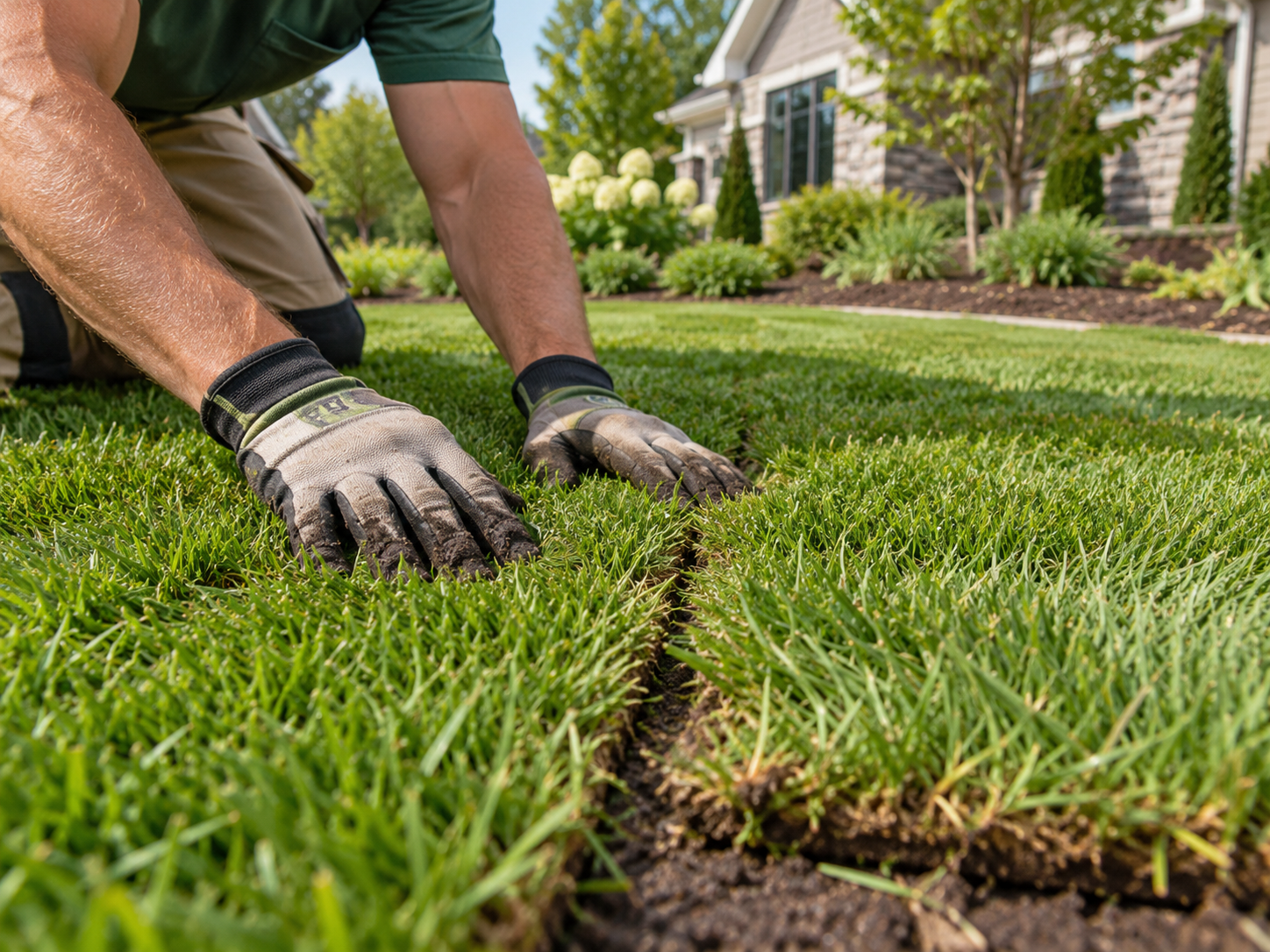
The first check is whether the soil can be prepared properly. Saturated, frozen or otherwise unsuitable ground can limit the work. Trying to force a lawn renovation into poor conditions may create more disturbance and make it harder to achieve good contact beneath the sod.
Look at the lawn after rain and tell us where water lingers. Also note areas that were used for construction access or material storage. Those observations help us decide what needs inspection; they do not replace a site assessment or prove that a particular preparation method will work.
A yard that needs substantial drainage or level corrections may have a different programme from a simple surface renovation. If the necessary groundwork cannot be completed sensibly before conditions deteriorate, waiting may be the better choice.
Consider the remaining growing conditions
Fresh sod can look green before its roots have anchored into the prepared soil. Root development depends on conditions, including temperature and moisture. As the season progresses, growth may slow, so we would not promise the same establishment timetable for every autumn installation.
We also avoid giving a single guaranteed last installation date for all Hamilton properties. Exposure, soil condition and the actual weather matter. A date that worked in another year or another neighbourhood is not proof that the same plan is suitable now.
Use the forecast as part of the decision
A forecast helps plan work and immediate care, but it does not guarantee the following weeks. We would look at likely conditions and discuss how a change would be handled. That includes whether the installation date can move if the ground becomes unsuitable.
Do not assume one frosty morning automatically answers every question, or that one warm afternoon makes the ground ready. The site needs a broader assessment. A practical decision combines the current soil condition, available work window and realistic follow-up.
Check whether watering is still practical
Cooler weather does not remove the need to monitor new sod. Rainfall may help, but it can be uneven or insufficient, and a wet-looking surface can be misleading. The turf and prepared soil still need appropriate moisture during establishment.
Before booking, confirm that an outdoor water source is available and that hoses can reach the whole lawn. If an irrigation system is scheduled for seasonal shutdown, discuss how the new sod will be cared for afterwards. That detail should be resolved before the turf arrives.
Our
sod watering service outlines support in Hamilton and Burlington. If you want help, confirm availability, coverage and the agreed care responsibilities for your property. Do not assume an installation booking automatically includes every watering visit.
Make room for autumn maintenance
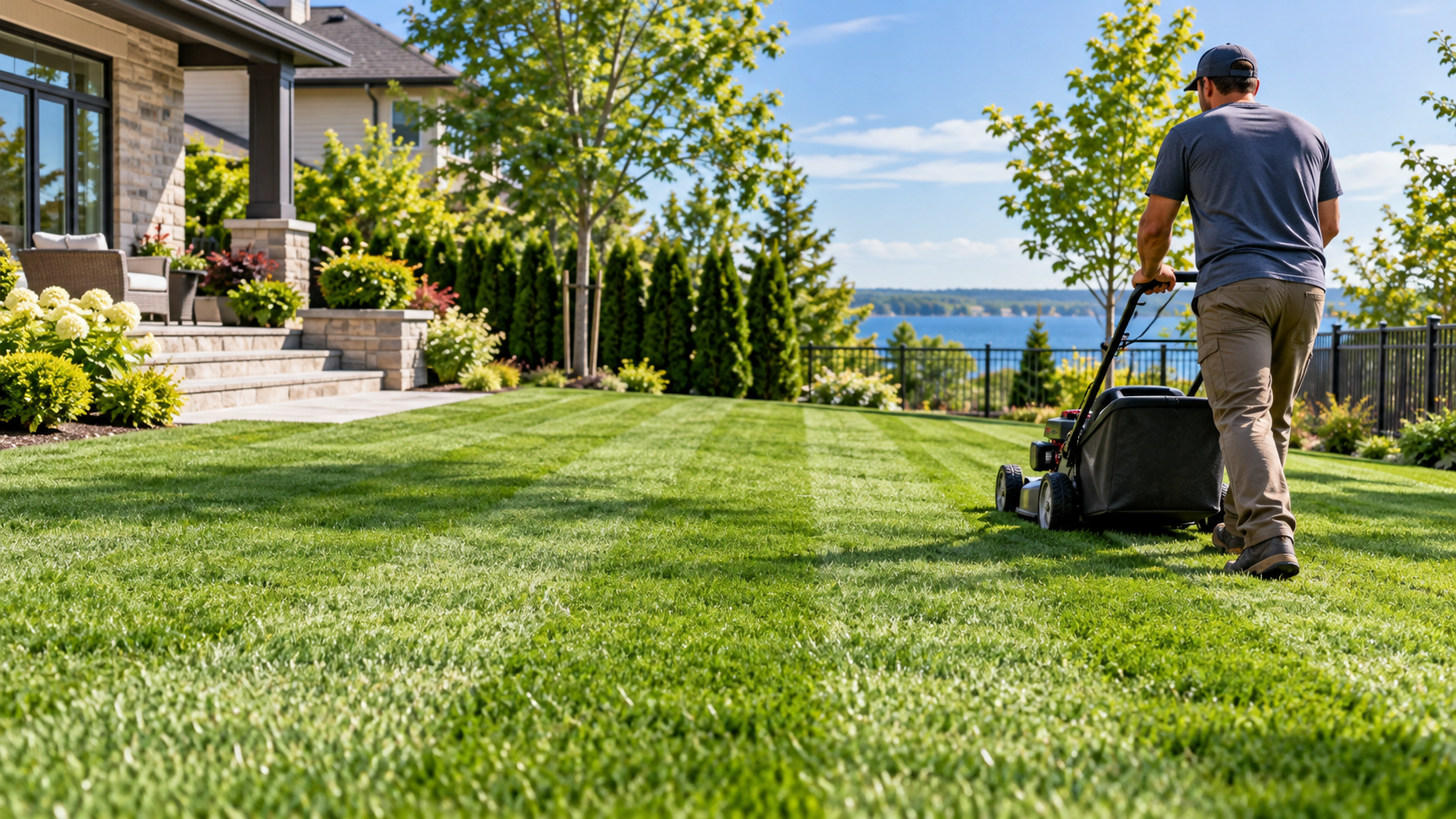
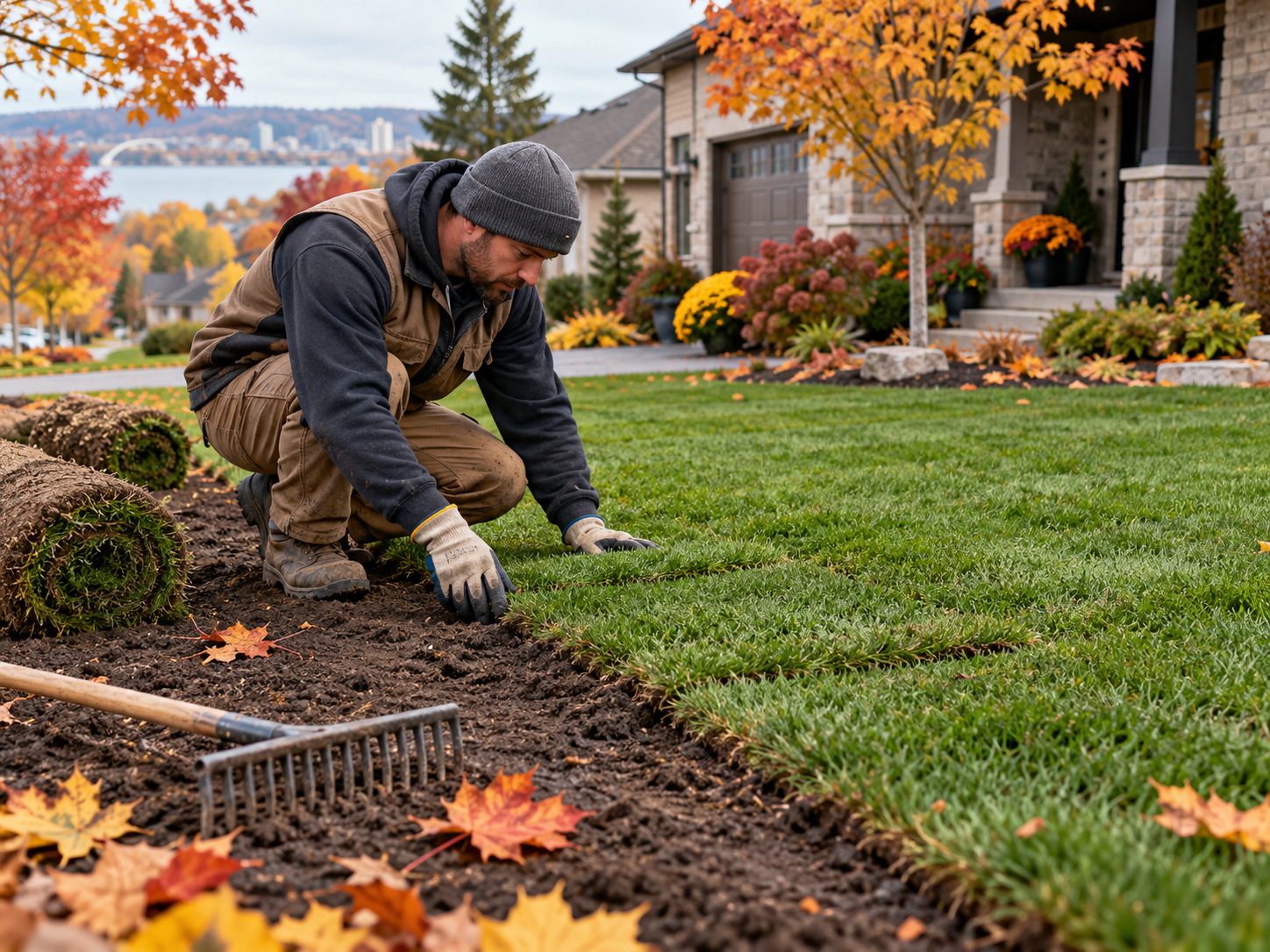
Falling leaves can cover a new lawn while roots are developing. Plan a gentle way to remove buildup without dragging equipment across loose turf. If the lawn sits under several trees, that task may need attention more than once.
Keep garden waste, stored furniture and seasonal decorations off the fresh surface. A newly laid lawn should not become the staging area for the rest of the fall cleanup. We would also ask about pets and essential walking routes so normal household activity does not undermine the work.
Coordinate any remaining landscaping
If a fence, patio or drainage job is still planned, find out how its contractor will reach the work area. Laying sod immediately before another crew needs access can create avoidable damage. Finishing the disruptive work first often makes more practical sense.
Where the schedule is uncertain, consider whether this autumn should be used for assessment and planning rather than installation. Preparing a clear scope now can make a spring project more orderly without sacrificing the lawn to a rushed sequence.
When proceeding this fall may make sense
We would be more comfortable discussing fall installation when the required preparation is understood, the ground is suitable and materials can be coordinated with a ready site. The household also needs a workable plan for watering, leaves and restricted access.
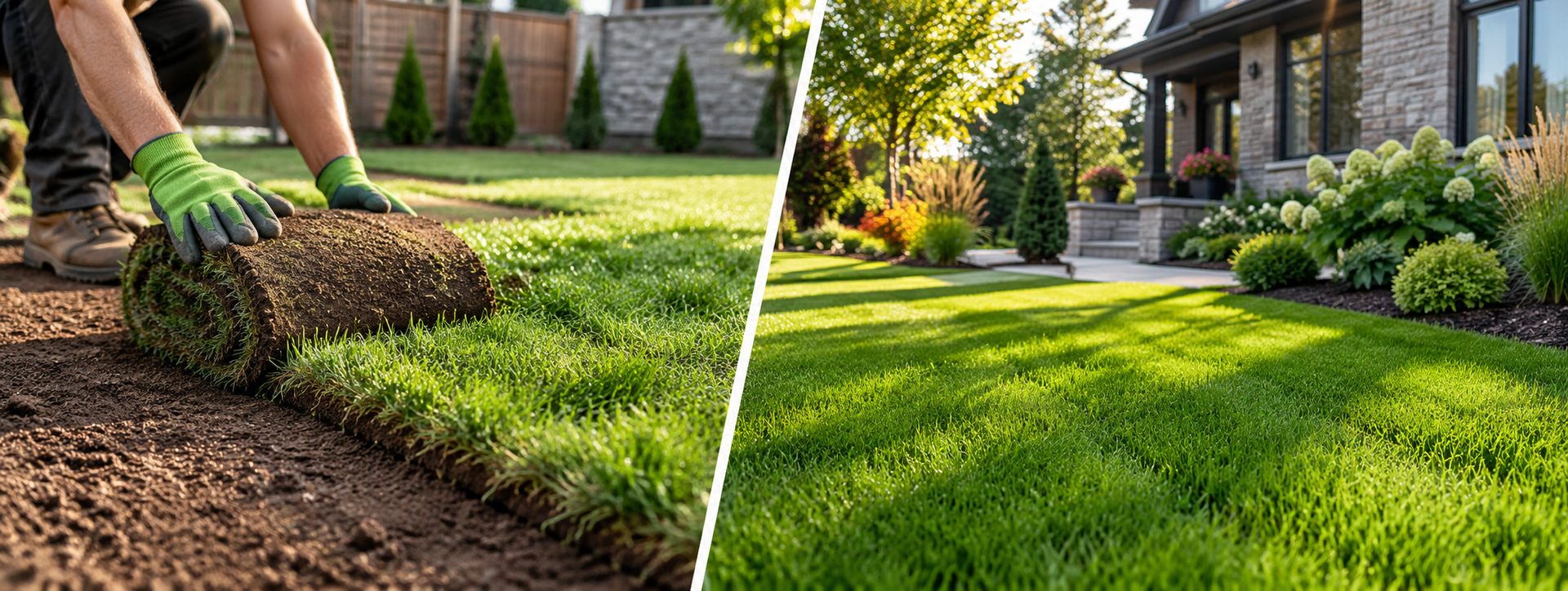
The benefit is that a prepared property can receive its new turf without waiting for another season. However, immediate coverage and full establishment are different milestones. We would explain what the lawn needs after handover rather than suggest that autumn rainfall will take care of everything.
Our Hamilton sod installation options help frame the preparation discussion. The choice between lighter renovation and more extensive work still follows the lawn's condition; fall timing does not justify skipping necessary preparation.
When we would discuss waiting
Waiting deserves serious consideration if the ground is saturated, the required soil or drainage work is unresolved or other contractors still need disruptive access. The same applies when no one can carry out the establishment care.
An upcoming trip may also change the decision. If watering and monitoring depend on a person who will be away, a written backup plan is needed. Without one, postponing can be more sensible than hoping the weather will cover the gap.
We would also pause when the proposed scope is based on uncertain assumptions. If the lawn's previous failure has not been understood, rushing fresh sod into place may repeat the problem. Autumn is still a useful time to photograph conditions and resolve the plan.
What to do if the project moves to spring
Use the delay to finalise boundaries, access and the preparation scope. Record wet areas after rainfall and keep photos of the lawn before seasonal cover hides it. Those records help explain recurring conditions during the next assessment.
Ask what, if any, temporary protection or site management is appropriate for exposed soil. The answer depends on the property and should not be improvised by adding materials without a plan. Avoid leaving unresolved runoff or access issues simply because the turf work has moved.
Do not order sod far ahead of a site that is not ready. Fresh turf delivery should be coordinated with preparation and installation. A well-organised spring start is more valuable than a material booking made only to feel that the project is progressing.
Prepare the information we need
Send photos of the lawn, access route and areas that stay wet. Tell us what work remains, whether water is available and who will care for the lawn after installation. Include upcoming travel or other dates that could affect the first weeks.
We can then discuss the scope and timing together. The aim is a decision you can understand: what makes the property suitable now, what could change the plan and what would be gained by waiting. There should be a reason behind the date, not just an opening in a calendar.
Frequently asked questions
Is October automatically too late for sod installation?
No. It can be suitable, but the property and current conditions need assessment. We would not use the month alone to guarantee or reject a project.
Will fall sod root as quickly as a summer lawn?
Do not assume the same timetable. Temperature, soil moisture and other conditions influence establishment. Follow the actual lawn's progress and the guidance supplied for the project.
Does rain mean we can stop watering?
Rain can reduce the need for added water, but check conditions rather than assume coverage. Avoid both drying and unnecessary saturation. Adjustments should reflect the lawn and weather.
How do we decide whether to book now?
Request a consultation with photos, your remaining work schedule and aftercare availability. We can review whether October sod installation suits the property or whether a spring plan is more practical.