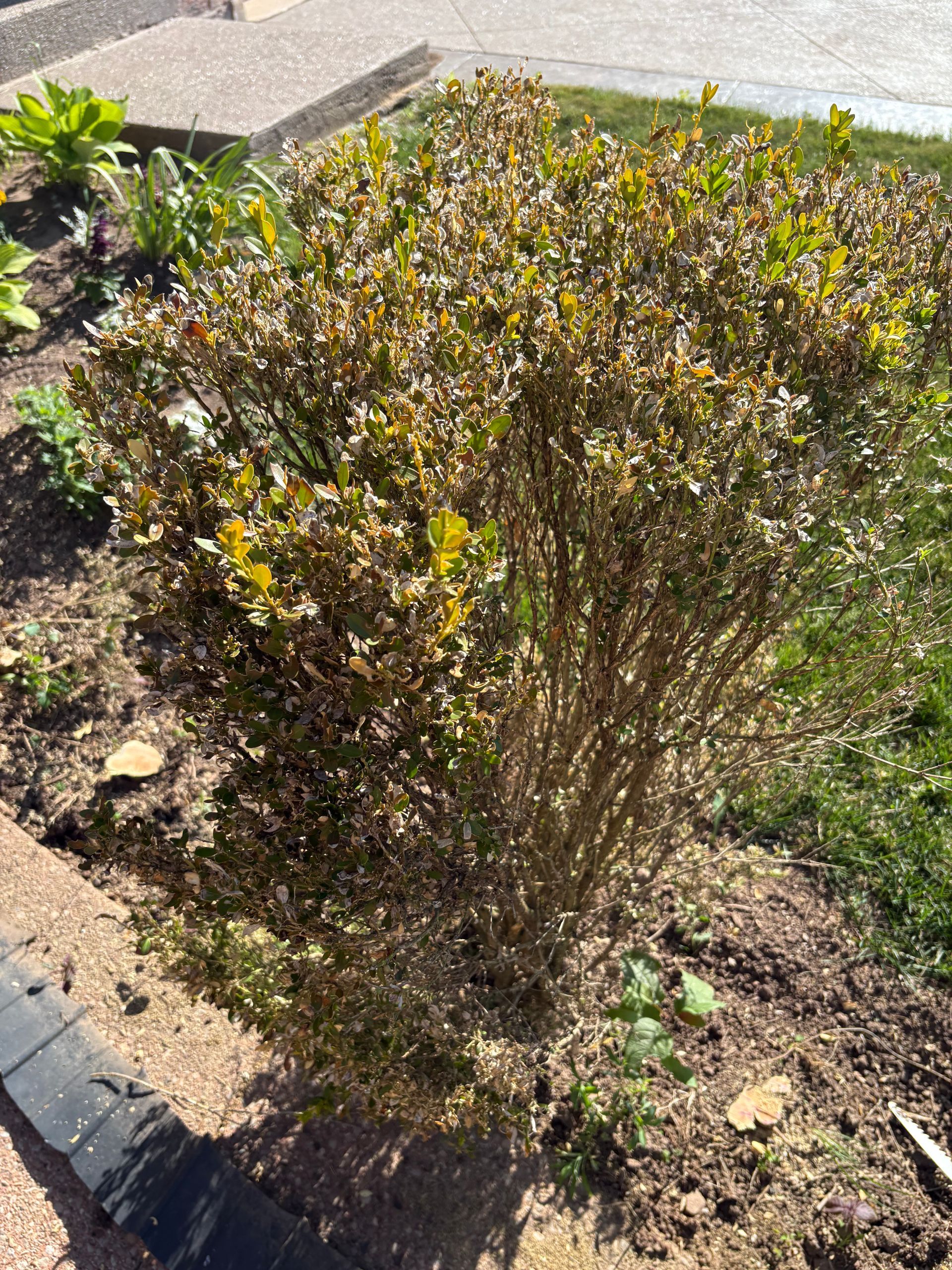
How to Care for Your Trees in Winter: Tips for Keeping Them Healthy

Winter can be a tough time for trees, but with the right care, they can thrive through the cold months and return stronger in the spring. If you live in Hamilton or the surrounding areas, where freezing temperatures and snow can take a toll on your greenery, it's essential to ensure your trees are properly cared for during the winter months. 


Whether you're a homeowner or a business, understanding how to protect your trees from winter’s harshness is crucial. As a trusted Hamilton landscaper, Monarch Landscaping offers these essential tips to help you maintain healthy trees throughout the colder seasons.
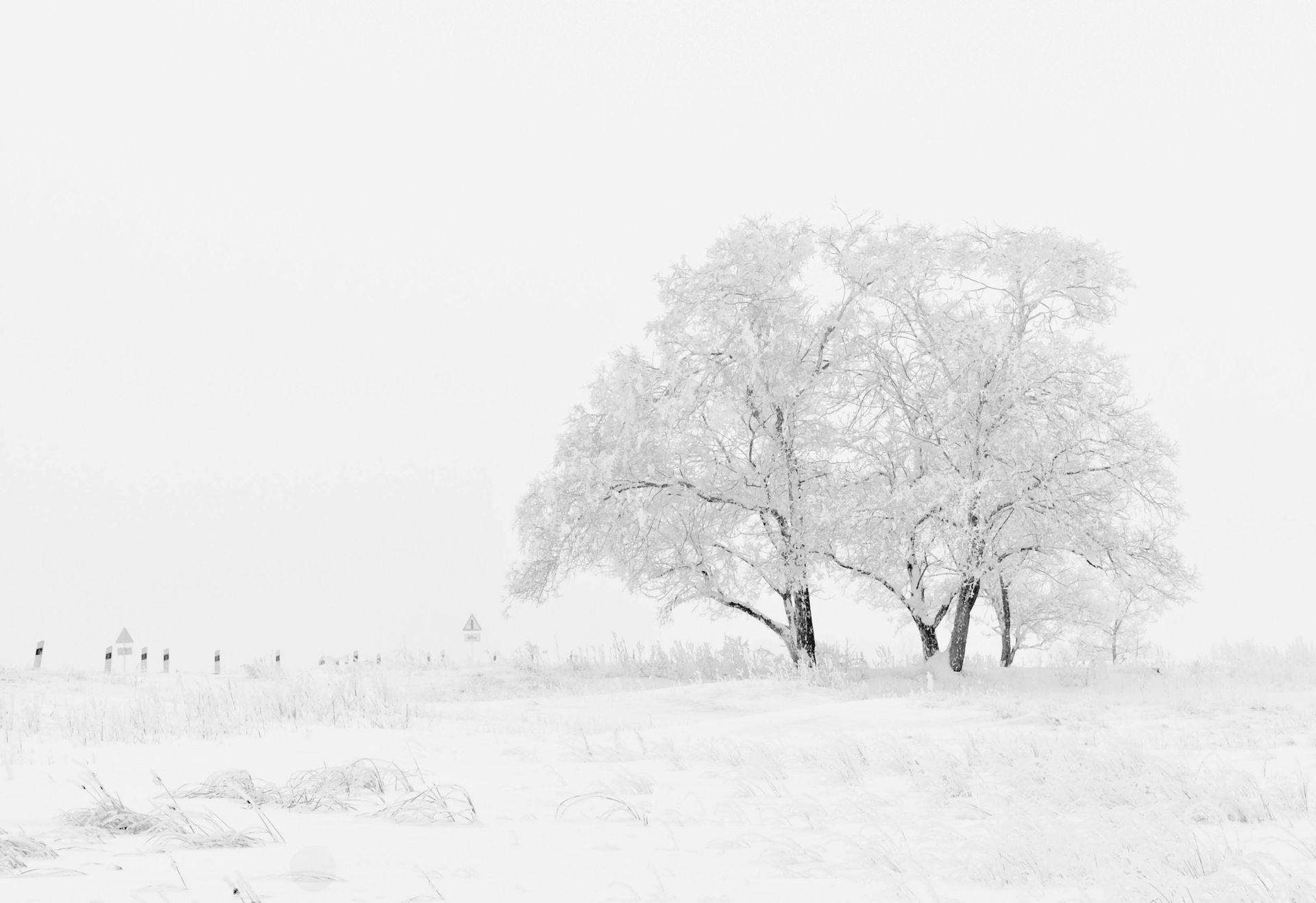
1. Mulch Around the Base of Your Trees

One of the simplest and most effective ways to protect your trees during winter is by applying mulch around their base. Mulch acts as an insulating layer that helps regulate soil temperature, keeping the roots warmer and more stable during cold snaps. 

For trees in Hamilton, where temperatures can drop dramatically, mulch can help prevent frost from penetrating the soil too deeply. Use organic materials such as wood chips, bark, or compost to create a 3- to 4-inch layer around the root zone, but avoid piling it directly against the trunk, as this can cause rot.

2. Water Your Trees Before the Ground Freezes

It’s easy to forget about tree care once the cold weather sets in, but your trees still need hydration in the winter months. Winter drought can be just as harmful as summer drought for trees. The key is to water your trees thoroughly before the ground freezes. By providing moisture in the fall, you ensure that your trees are not overly stressed during the colder months. If you’re unsure about how much water your trees need, consult with a member of our team who can guide you on how to keep your trees well-hydrated.

3. Protect Trees from Salt Damage

In urban areas, winter salt used to clear roads and walkways can be a significant threat to the health of your trees. Salt can burn roots and strip away essential nutrients from the soil. To protect your trees from salt damage, consider using barriers such as burlap or snow fences to shield the tree trunks from direct contact with salt. Additionally, wash off the salt from tree trunks and surrounding soil whenever possible.

4. Prune Dead or Damaged Branches

Winter winds and heavy snow can cause branches to snap, leading to potential damage or injury to your trees. To minimize the risk, prune any dead, diseased, or damaged branches before the winter season begins. This will not only help prevent further damage but also encourage healthy growth in the spring. When pruning, be sure to make clean cuts and avoid cutting too much at once, as this can stress the tree. 

5. Wrap Young or Vulnerable Trees

Young trees and certain species are more vulnerable to winter injury, especially during extreme cold or sudden temperature fluctuations. Consider wrapping the trunks of young trees with burlap or tree wrap to prevent damage from frost cracks or sunscalds. Properly wrapping trees in the winter can offer protection against these risks and ensure that your trees remain healthy year-round.

6. Consider Wind Protection

Winter winds can be harsh, and trees that are exposed to strong gusts may suffer from damage such as broken branches or root stress. If you have mature trees or valuable landscaping near your home or business, consider setting up windbreaks. 

Planting shrubs or installing fences can help reduce wind exposure, minimizing damage to your trees.

7. Avoid the Urge to Fertilize

Winter is not the time for fertilizing trees. Trees enter a dormant state during the colder months, and applying fertilizer can stimulate growth at the wrong time, potentially stressing the tree.  It’s best to wait until early spring to fertilize your trees when they begin to show signs of new growth. During winter, focus on ensuring your trees have adequate water and protection from the cold, rather than feeding them nutrients that they won’t use.

8. Monitor for Pests and Diseases

While pests are generally less active during the winter, some can still cause damage to your trees. For example, rodents such as voles and rabbits may chew on the bark of young trees during the winter months, leading to injury. If you notice any signs of pest activity, such as bark damage or chew marks, take action to deter them. This might include wrapping trunks with protective guards or using natural repellents. Keeping an eye out for any signs of winter pests can help ensure your trees remain healthy during the season.


Caring for your trees in winter may seem like a small task, but it can make all the difference in ensuring they stay healthy and strong year after year. From proper watering and mulching to pruning and protecting against salt damage, these essential winter care tips will help your trees survive the cold and continue to thrive. Take the time to prepare your trees now, and you’ll be rewarded with a healthier landscape when the weather warms up.


For personalized tree care services, reach out to Monarch Landscaping, your trusted Hamilton landscaper, and let us help you protect and maintain your trees through every season!

By Chelsey Smith August 28, 2026
How to Choose the Right Fence Company for a Niagara Property A fence is a long-term part of the property. Choosing the right contractor is as important as choosing the material because layout, posts, gates, drainage and workmanship determine how the system performs. A reliable Niagara fence company should provide clear information, inspect the site and recommend a solution based on the owner’s priorities. Use the following criteria to compare options. Look for Relevant Local Experience Niagara includes urban lots, rural properties, changing grades and varied exposure. Ask whether the contractor has completed projects with similar access, material and design requirements. Local experience should appear in the questions the contractor asks about drainage, boundaries, wind, landscaping and municipal requirements. Review Material Knowledge A qualified company should explain the differences between wood, vinyl, chain-link, ornamental metal and other systems. The discussion should cover maintenance, privacy, repairability, lifespan and site suitability. Be cautious when every property receives the same recommendation without regard to goals or exposure. Ask for a Site-Specific Estimate Accurate pricing requires fence length, height, gates, removal work, grade and access. A detailed estimate should describe materials, posts, hardware, cleanup and payment terms. Clarify allowances and conditions that could change the price. Written scope protects both parties. Evaluate the Post and Footing Plan Posts are the structural foundation of the fence. Ask how depth, spacing and footing method will be selected for the fence system and property. A contractor should be able to explain how gates and solid privacy panels receive adequate support. Confirm Boundary and Utility Procedures Property owners should provide reliable boundary information. Required utility locations must be completed before digging, and private services may need separate identification. A professional company will not encourage work based on guesswork or skip required safety procedures. Discuss Slopes and Transitions Review how the fence will handle grade changes, retaining walls, neighbouring fences and corners. Stepped and custom approaches create different appearances and gaps. Ask for a clear explanation before posts are set. Review Property Protection and Cleanup Installation involves excavation and material movement. Ask how lawns, gardens, driveways and neighbouring areas will be protected. Confirm disposal of the old fence, handling of excavated soil and restoration around disturbed areas. Monarch Landscaping describes using ground mats and completing site cleanup as part of its fence work. Ask About Workmanship Coverage Understand the difference between manufacturer material coverage and the installer’s workmanship warranty. Ask what is covered, the duration and the process for reporting a concern. All warranty details should appear in writing. Product documentation should be provided when applicable. Consider Communication Identify the person responsible for scheduling, site questions and changes. Reliable communication before the project is a useful indicator of how the installation will be managed. Ask how delays, weather and unexpected site conditions will be communicated. Check Completed Work and Reviews Photographs can demonstrate alignment, gates, transitions and finish quality. Reviews reveal punctuality, cleanup and responsiveness. Focus on examples similar to your project rather than only dramatic showcase properties. Compare Long-Term Value Price matters, but the cheapest quote may omit robust posts, quality hardware, removal or restoration. Compare complete scope and expected ownership costs. A properly planned fence can reduce repair needs and provide more consistent privacy, security and curb appeal. Questions to Ask Each Contractor What material and style do you recommend for this property, and why? How will you confirm the layout and gate locations? What posts, footings and hardware are included? How will grade changes be handled? Who completes the work and supervises the site? What protection, cleanup and restoration are included? What warranties apply? What is the expected schedule?
By Chelsey Smith August 25, 2026
Fence installation in Cambridge requires decisions about boundaries, local requirements, material, privacy, gates and long-term maintenance. Planning these elements together creates a fence that looks intentional and performs reliably. Experienced Cambridge fence contractors can assess grade, access, soil and existing landscaping before recommending a system. Homeowners should still understand the main planning steps and verify property-specific requirements. Do You Need a Permit for a Fence in Cambridge? Permit and bylaw requirements depend on the type, height, location and purpose of the fence. Pool enclosures, corner lots and properties with visibility concerns may have additional rules. Requirements can change. Confirm current information directly with the City of Cambridge before construction, and do not rely on a neighbouring fence as proof that a design is compliant. Confirm Property Boundaries Use reliable survey information or obtain professional boundary assistance when necessary. Existing fences and hedges may not follow the legal line. Discuss ownership and access with neighbours where the project affects a shared boundary. Written clarity can prevent misunderstandings about placement and cost. Arrange Utility Locations Required utility-location procedures must be completed before excavation. Private services such as irrigation, lighting or lines to detached structures may require separate identification. Tell the contractor about known underground features and do not move layout markings.
By Chelsey Smith August 21, 2026
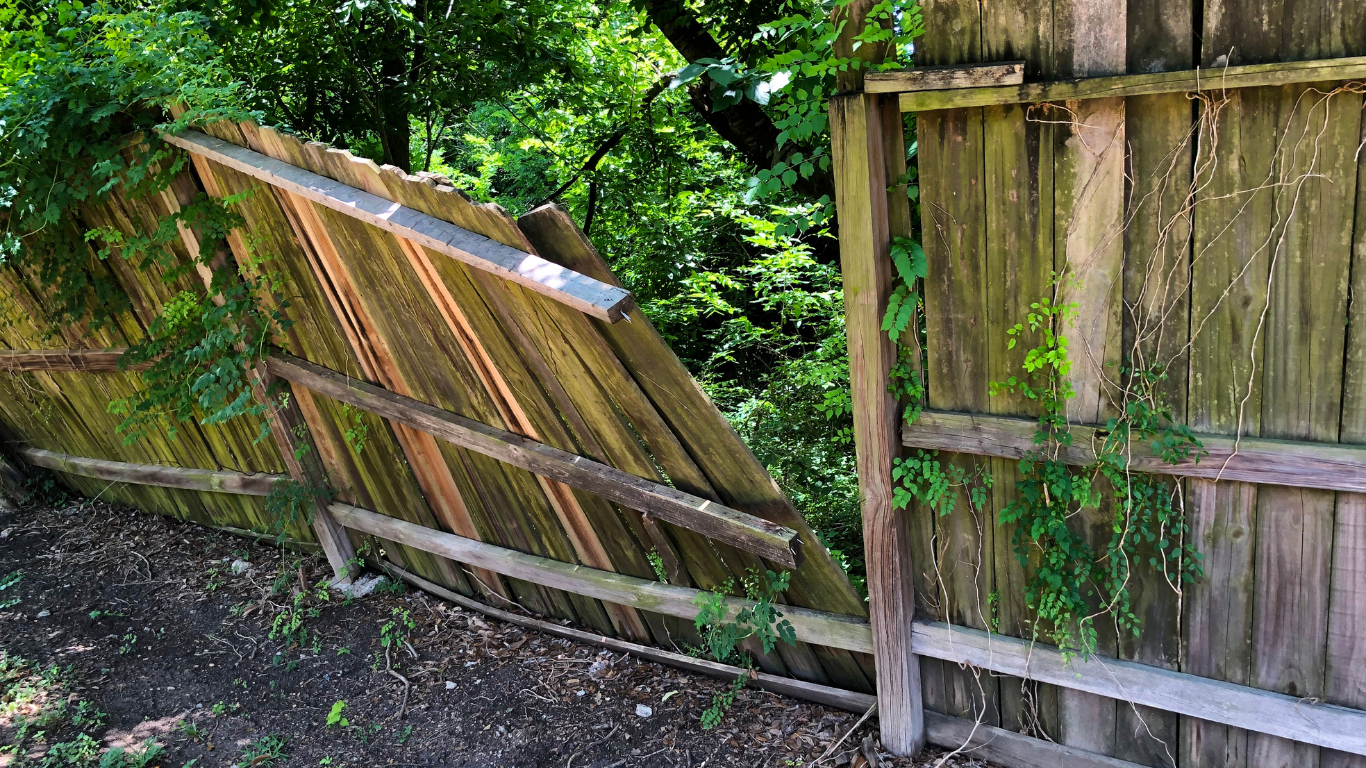
A damaged fence rarely fails all at once. Most problems begin with a loose board, shifting post, sticking gate or small area of rot. Hamilton’s freeze-thaw cycles, wet weather, wind and changing soil conditions can turn those minor defects into larger structural issues when they are left unattended. If you are searching for fence repair in Hamilton , you likely want to know whether the problem is urgent, whether it can be fixed and whether repairing the existing fence is worth the cost. The answer depends on the cause of the damage, the condition of the surrounding components and how well the fence still serves your property. When Does a Damaged Fence Need Professional Attention? Call a fence contractor when a section is unstable, a post moves at ground level, a gate no longer closes securely, sharp or broken components create a hazard, or damage affects privacy, pets or property security. Prompt assessment is also important after a vehicle impact, fallen branch or major wind event because the visible damage may not show what happened below grade. A cosmetic issue such as light weathering is usually less urgent. Structural movement is different. Posts, footings, rails and gate supports work together, so one failing component can place additional stress on the rest of the fence. Leaning or Loose Fence Posts A leaning fence section often points to a post or footing problem. The post may have rotted near the soil line, the concrete footing may have shifted, or saturated soil and frost movement may have reduced support. Impact and wind can also loosen a post without immediately breaking the surrounding panels. Do not rely on a temporary brace as a permanent solution. A contractor should determine whether the post can be reset, whether it needs replacement and whether the footing or drainage conditions contributed to the failure. If several posts lean in the same direction, the problem may be broader than one isolated repair. Wood Rot Near the Ground Wood is most vulnerable where moisture remains trapped around posts, bottom boards and lower fence components. Signs of deterioration include softness, crumbling fibres, dark staining, fungal growth and fasteners that no longer hold securely. One rotten board or post may be replaceable when the rest of the fence remains healthy. Widespread rot usually indicates that the fence is approaching the end of its useful life or that drainage, soil contact and maintenance conditions need to be corrected. Replacing damaged wood without addressing constant moisture may only delay the same problem. Loose, Warped or Missing Fence Boards Wind, dried lumber, seasonal movement and corroded fasteners can loosen wood boards. Warped boards may pull away from rails or create gaps that reduce privacy. Missing boards also expose neighbouring components to more wind pressure. A selective repair can work well when the rails and posts are still sound. Replacement boards should match the existing dimensions, and exterior-rated fasteners should be used. The supporting rail should be inspected before new material is attached; fastening a new board to a weakened rail does not restore the panel’s strength. Sagging or Misaligned Gates Gates receive more movement than stationary fence panels. Sagging can result from worn hinges, inadequate bracing, a distorted frame or a moving support post. A gate that drags, will not latch or must be forced closed should be inspected before the frame and hardware sustain additional damage.  Minor alignment or hardware problems may be corrected with adjustment or replacement parts. When the support post moves, the repair must address the post and footing. Simply relocating the latch may make the gate close temporarily without correcting the structural cause. Rust and Corrosion on Metal or Chain-Link Fencing Chain-link and ornamental metal fences should be inspected around connections, cut ends, posts, rails and hardware. Moisture and winter salt exposure can accelerate corrosion. Light surface rust may be manageable, but deep corrosion, perforation or weakened structural components generally requires replacement. Use components and coatings that are compatible with the existing system. Mixed metals and unsuitable fasteners can contribute to premature corrosion. Gates deserve particular attention because hinges and latches can fail before the surrounding fence. Cracked or Damaged Vinyl Components Vinyl fencing does not rot, but panels, rails and caps can crack after impact or severe stress. Damage may also occur when a panel has insufficient room for seasonal movement or is forced into a misaligned opening. Cracked structural pieces usually need replacement because patching may not restore their performance. Before proceeding, confirm that matching components remain available and inspect the adjacent posts and rails. Replacing the visible piece without correcting alignment can cause the new component to fail. Gaps Under the Fence Openings can develop because of erosion, animal activity, drainage patterns or changes in grade. These gaps can affect privacy and allow pets to leave the yard. Filling them with loose soil may provide only a temporary result if water continues to wash the area away. Depending on the cause, the solution may involve grading, drainage improvements, a bottom board, selective reconstruction or a landscaping adjustment. The repair should maintain safe clearances and avoid directing water toward neighbouring properties or fence footings. Storm, Branch and Impact Damage Wind, falling branches and vehicles can damage posts and connections beyond the obvious broken panel. Keep people and pets away from unstable sections and avoid pulling or climbing on the fence. Photograph the damage and inspect neighbouring panels for movement. Emergency stabilization may be needed before permanent work begins. A professional assessment can identify which components remain reusable and whether the original layout, footing or material should be changed during reconstruction.
By Chelsey Smith August 17, 2026
Choosing the right fence height isn’t just a design decision it affects your privacy, security, curb appeal, and compliance with Burlington bylaws. As a leading Burlington fence contractor , Monarch Landscaping helps homeowners select fence heights that balance aesthetics, function, and local regulations. This guide breaks down everything Burlington homeowners need to know before installing a fence, including height rules, material considerations, and how to choose the right style for your property. Why Fence Height Matters Fence height influences three major factors: Privacy Higher fences (typically 6 ft) create a more secluded backyard, shielding your space from neighbouring homes and busy streets. Burlington’s suburban neighbourhoods often benefit from privacy fencing due to close lot lines.  Security A taller fence can deter trespassers, protect pets, and create a defined boundary. For homes backing onto parks, trails, or commercial areas, height becomes even more important. Curb Appeal Front‑yard fences are usually shorter (3–4 ft) to maintain visibility and enhance the home’s architectural style. Height plays a major role in how welcoming or closed‑off your property feels.
By Chelsey Smith July 17, 2026
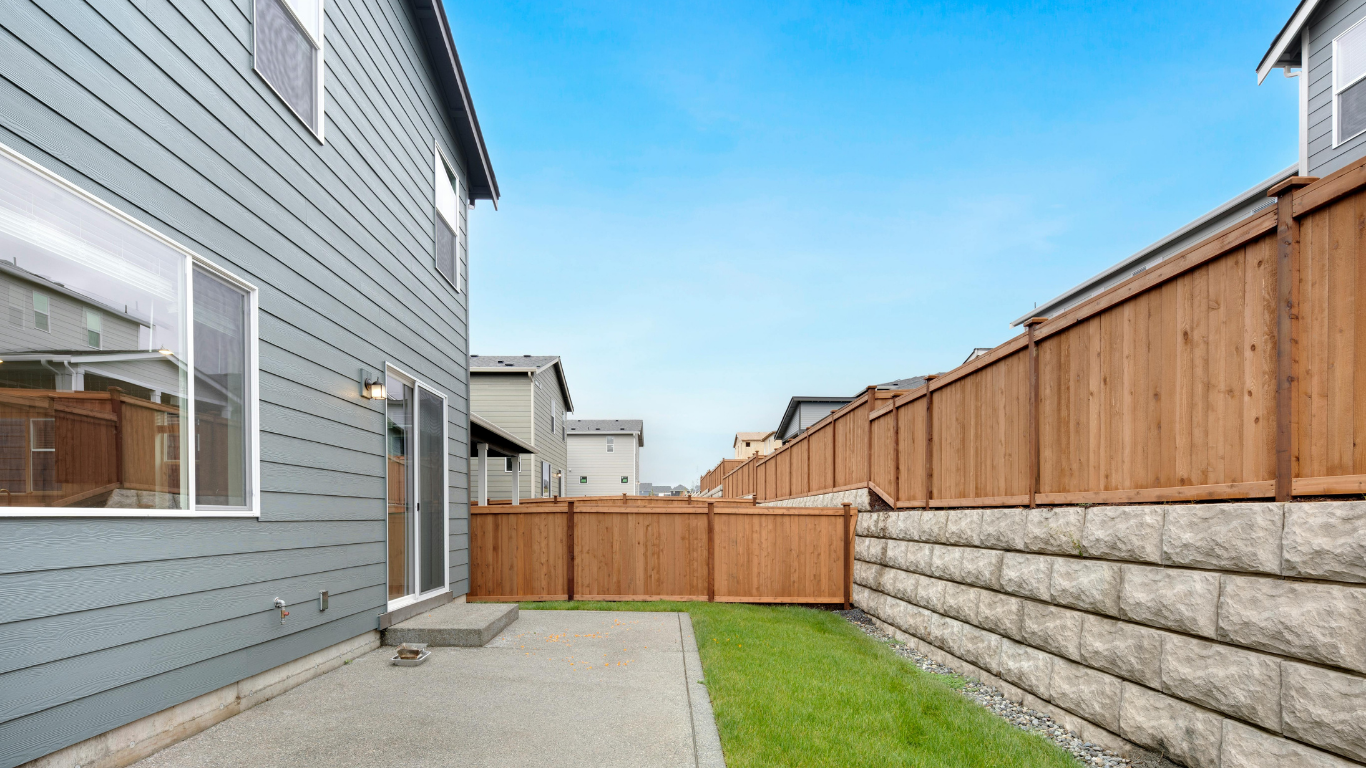
Installing a fence on a sloped yard requires careful planning, specialized installation techniques, and an understanding of how changing elevations affect fence structure. Unlike flat properties, sloped landscapes present unique challenges that can impact fence alignment, privacy, drainage, and long-term durability. For Oakville homeowners with uneven terrain, working with an experienced Oakville Fence Contractor is essential to ensure your fence follows the natural landscape while maintaining a professional appearance and strong structural performance. At Monarch Landscaping, we provide professional fence installation solutions designed to work with the unique characteristics of each property. From evaluating yard slopes to selecting the right installation approach, our team helps homeowners create fencing that is both functional and visually appealing. Why Sloped Yards Require Special Fence Installation Techniques A sloped yard can make fence installation more complex than a standard flat property. Without proper planning, homeowners may experience issues such as uneven fence lines, gaps underneath panels, reduced privacy, or structural instability. Professional fence installation for sloped yards requires consideration of: The degree of the slope Soil conditions Drainage patterns Fence material selection Property layout Desired privacy level A knowledgeable Oakville Fence Contractor understands how these factors work together to create a fence that performs well over time. Common Challenges When Installing a Fence on a Sloped Yard Uneven Fence Lines: One of the biggest challenges with sloped properties is maintaining a clean and consistent fence line. A fence installed incorrectly may appear uneven or inconsistent, which can impact your home's curb appeal. Professional installers evaluate the slope and determine the best approach to create a visually balanced result. Gaps Under Fence Panels: When a fence follows a slope incorrectly, large gaps can form underneath panels. These gaps can create issues such as: Reduced privacy Pets escaping Debris collecting along the fence line An unfinished appearance Proper installation techniques help minimize these gaps while following the natural grade of the yard. Drainage and Water Flow: Sloped yards naturally affect how water moves through a property. A fence installation should take drainage into consideration to help prevent moisture-related issues. Poor planning can contribute to: Soil erosion Water pooling near fence posts Shifting or unstable posts An experienced Oakville Fence Contractor considers the relationship between your fence and the surrounding landscape.
By Chelsey July 7, 2026
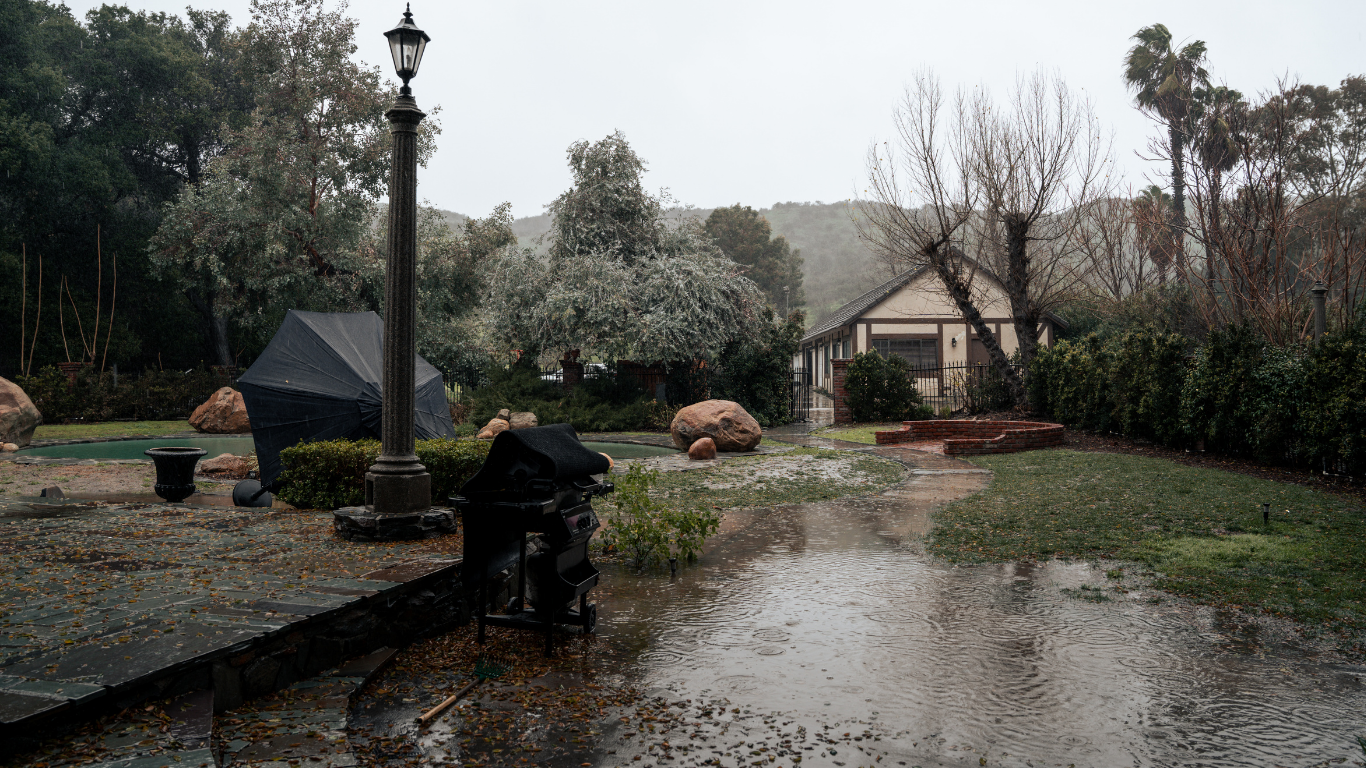
Protecting Your Investment in Oakville's Rainy Weather Installing a new fence is a significant investment that enhances your property's privacy, security, and curb appeal. While homeowners often focus on choosing the right fence style or material, one important factor is frequently overlooked: proper drainage. In Oakville, heavy rainfall, spring snowmelt, and seasonal freeze-thaw cycles can all affect the stability and lifespan of a fence. Without adequate drainage, excess moisture can weaken fence posts, accelerate wood rot, and lead to costly repairs or premature replacement. Working with an experienced Oakville Fence Contractor ensures your fence is designed and installed with local conditions in mind. At Monarch Landscaping, we understand how proper drainage and professional installation work together to create fences that are built to last. Our team uses quality materials, installs fence posts approximately three feet deep for added stability, and takes care to restore any disturbed ground after installation, helping homeowners enjoy durable, attractive fencing for years to come. Why Drainage Is Important for Fence Longevity A fence is only as strong as the foundation supporting it. When water is allowed to collect around fence posts or along the fence line, it can compromise the structure over time. Proper drainage helps: Reduce excess moisture around fence posts Minimize the risk of wood rot and decay Prevent soil erosion and shifting Improve long-term structural stability Extend the overall lifespan of your fence Considering drainage during the planning stage can help protect your investment for years to come.
By Chelsey Smith June 29, 2026
Fence design has evolved significantly in recent years. Today’s homeowners are no longer just looking for basic boundaries—they want fences that enhance curb appeal, improve privacy, and complement modern outdoor living spaces. Working with an experienced Burlington Fence Contractor ensures your fence is built with both functionality and design in mind, using materials and styles that reflect current trends while standing up to Ontario’s climate. At Monarch Landscaping , we help Burlington homeowners design and install modern fencing solutions that combine durability, style, and long-term performance. Our fences are built to enhance outdoor spaces while adding value and visual appeal to your property
By Chelsey Smith June 25, 2026
Over time, every fence will begin to show signs of wear due to weather, age, and regular use. In a climate like Burlington, where seasonal temperature shifts, moisture, and winter storms are common. Homeowners often face an important decision: should the fence be repaired or fully replaced? Working with an experienced Burlington Fence Contractor can help you make the right choice based on safety, structure, and long-term value, not just appearance. At Monarch Landscaping, we help homeowners across Burlington assess their fencing and determine whether repair or replacement is the most practical and cost-effective solution for their property. Our team focuses on durable installations, quality craftsmanship, and solutions built to withstand Ontario weather conditions.
By Chelsey Smith June 23, 2026
Creating a safe and secure outdoor space is one of the top priorities for families with young children. A well-designed fence not only defines your property but also provides peace of mind by helping to keep children safe while they play outdoors. Working with a professional Oakville Fence Contractor ensures your fence is built with safety, durability, and functionality in mind, while still complementing your home’s style and outdoor space. At Monarch Landscaping, we specialize in designing and installing fences that support family-friendly living. Our team understands the importance of combining safety features with attractive designs that work for everyday use, especially in busy family households.
box wood removal moths
June 14, 2026
Box Tree Moth Damage in Ontario: When It's Time to Remove Your Boxwoods